BUILDING DYNAMIC SUSTAINABLE SOLUTIONS
+44 (0) 330 053 6774
  • Home
  • About
    • Leadership team
    • Suppliers And Partners
    • Join Our Team
  • Planning
    • Energy Strategy Report
    • Daylight and Sunlight Assessment
    • Rights of Light 
    • Acoustic Plant & Noise Impact Assessment
    • Ecology and Arboricultural
    • Hydrology And Flood Risk Assessment Report
    • Air Quality Assessment
    • Environmental Impact Assessment (EIA)
    • Transport Planning and Travel Planning
    • Overheating Assessment
  • Consulting
    • Air Quality Consulting
      • Indoor Air Quality Assessment
      • Air Quality Monitoring
      • Odour Assessment
      • Air Quality Assessment
      • Bioaerosol Assessment
      • Dispersion Modelling
      • Environmental Permit Applications
    • M&E Engineering Design
      • Mechanical Design Consultancy
      • Electrical Design Consultancy
      • Architectural Acoustics
      • M&E Clerk of Works
    • Security Design & Consultancy
    • Sustainability Assessment
      • BREEAM Assessment
      • CIBSE TM65 Assessment & Consultancy
      • Code for Sustainable Homes Assessment (CSH)
      • SKA Assessment
      • LEED assessment
      • Well Building Assessment
      • Circular Economy
      • Passivhaus Design Consultancy
      • Whole Life Cycle Carbon Assessment
    • Building Simulation Modelling
      • Daylight and Sunlight Assessment
      • Glint and Glare Assessment
      • Lux Plan
      • CFD & Thermal Modelling
      • Building Information Modelling in UK
      • Micro-Climate Analysis
      • Hygrothermal Assessment
      • Lighting Impact Assessment
      • Overheating Assessment
    • Energy Consultancy
      • Energy Monitoring
      • Commercial Energy Audit in London(MEES compliant)
      • Net Zero Carbon Consultancy
    • Environmental Consultancy
      • Construction Site Waste Management Plan
      • Indoor Air Quality(IAQ) Plan And Testing
    • Civils & Infrastructure
      • SUDs Design and Drainage Strategy
      • Flood Risk Assessment
      • Below Ground Drainage Design
      • Transport and Highway Engineering Design
      • Foul Water and Utilities Assessment
    • Building Control Testing
      • Acoustic Sound Insulation Testing
      • Air Tightness Testing
      • Thermal Imaging Survey
    • Acoustic Consultancy Services
      • Acoustic Plant & Noise Impact Assessment
      • Architectural Acoustics
      • Acoustic Sound Insulation Testing
      • Construction Noise and Vibration
      • Noise and Vibration at Work Assessment
    • Ecology & Arboricultural
      • Preliminary Ecological Appraisal (PEA)
      • Ecological BREEAM Survey
      • Protected Species Survey
      • Arboricultural Services
      • Landscape Services
      • Biodiversity Net Gain (BNG)
      • Ecology Clerk of Works
      • Urban Greening Factor (UGF)
  • Certification
    • SAP & SBEM Part L Calculation
    • Energy Performance Certificate (EPC)
    • Display Energy Certificate (DEC)
    • TM44 Air Conditioning Inspection (ACI)
    • Water Part G Compliance Report
    • Legionella & Water Hygiene Risk Assessment
  • Projects
    • Education
    • Healthcare
    • Industrial
    • Leisure
    • Hospitality
    • Major Developments
    • Public Building & Spaces
    • Commercial and Offices
    • Retail
    • Residential
    • Mixed Use
  • Media Centre
    • Seminars
    • Videos & Downloads
    • News & Press
    • Blog
    • Awards & Accreditations
  • Contact
  • Home
  • About
    • Leadership team
    • Suppliers And Partners
    • Join Our Team
  • Planning
    • Energy Strategy Report
    • Daylight and Sunlight Assessment
    • Rights of Light 
    • Acoustic Plant & Noise Impact Assessment
    • Ecology and Arboricultural
    • Hydrology And Flood Risk Assessment Report
    • Air Quality Assessment
    • Environmental Impact Assessment (EIA)
    • Transport Planning and Travel Planning
    • Overheating Assessment
  • Consulting
    • Air Quality Consulting
      • Indoor Air Quality Assessment
      • Air Quality Monitoring
      • Odour Assessment
      • Air Quality Assessment
      • Bioaerosol Assessment
      • Dispersion Modelling
      • Environmental Permit Applications
    • M&E Engineering Design
      • Mechanical Design Consultancy
      • Electrical Design Consultancy
      • Architectural Acoustics
      • M&E Clerk of Works
    • Security Design & Consultancy
    • Sustainability Assessment
      • BREEAM Assessment
      • CIBSE TM65 Assessment & Consultancy
      • Code for Sustainable Homes Assessment (CSH)
      • SKA Assessment
      • LEED assessment
      • Well Building Assessment
      • Circular Economy
      • Passivhaus Design Consultancy
      • Whole Life Cycle Carbon Assessment
    • Building Simulation Modelling
      • Daylight and Sunlight Assessment
      • Glint and Glare Assessment
      • Lux Plan
      • CFD & Thermal Modelling
      • Building Information Modelling in UK
      • Micro-Climate Analysis
      • Hygrothermal Assessment
      • Lighting Impact Assessment
      • Overheating Assessment
    • Energy Consultancy
      • Energy Monitoring
      • Commercial Energy Audit in London(MEES compliant)
      • Net Zero Carbon Consultancy
    • Environmental Consultancy
      • Construction Site Waste Management Plan
      • Indoor Air Quality(IAQ) Plan And Testing
    • Civils & Infrastructure
      • SUDs Design and Drainage Strategy
      • Flood Risk Assessment
      • Below Ground Drainage Design
      • Transport and Highway Engineering Design
      • Foul Water and Utilities Assessment
    • Building Control Testing
      • Acoustic Sound Insulation Testing
      • Air Tightness Testing
      • Thermal Imaging Survey
    • Acoustic Consultancy Services
      • Acoustic Plant & Noise Impact Assessment
      • Architectural Acoustics
      • Acoustic Sound Insulation Testing
      • Construction Noise and Vibration
      • Noise and Vibration at Work Assessment
    • Ecology & Arboricultural
      • Preliminary Ecological Appraisal (PEA)
      • Ecological BREEAM Survey
      • Protected Species Survey
      • Arboricultural Services
      • Landscape Services
      • Biodiversity Net Gain (BNG)
      • Ecology Clerk of Works
      • Urban Greening Factor (UGF)
  • Certification
    • SAP & SBEM Part L Calculation
    • Energy Performance Certificate (EPC)
    • Display Energy Certificate (DEC)
    • TM44 Air Conditioning Inspection (ACI)
    • Water Part G Compliance Report
    • Legionella & Water Hygiene Risk Assessment
  • Projects
    • Education
    • Healthcare
    • Industrial
    • Leisure
    • Hospitality
    • Major Developments
    • Public Building & Spaces
    • Commercial and Offices
    • Retail
    • Residential
    • Mixed Use
  • Media Centre
    • Seminars
    • Videos & Downloads
    • News & Press
    • Blog
    • Awards & Accreditations
  • Contact

Ten top energy efficiency tips

You are here: 

Home » Ten top energy efficiency tips

Smart Ways to Save Energy at Home and Building — Practical Tips and Real Facts

With rising energy costs and growing awareness of climate change, households across the UK are increasingly taking action to use energy more efficiently. Simple choices in daily life and small home improvements can significantly reduce your bills and shrink your carbon footprint.

According to research, combining just a handful of energy‑saving measures — such as adjusting boiler settings and improving insulation — could cut household energy demand by up to 20% across all eligible homes in a year.


  1. Stop Draughts — Improve Comfort and Save Money

A large amount of warmth can escape through gaps around doors, windows, and floors. Sealing these draughts can help your heating system work less hard.

📌 Fact: If every home reduced heating flow temperature and made simple draught‑proofing upgrades, UK households could save an estimated £3 billion on energy bills annually.

Tips:

  • Use draught excluders and weather‑strips.
  • Seal gaps around skirting boards and letter boxes.
  • Block unused chimneys.

These improvements are inexpensive and can make your home feel warmer with less energy.


  1. Take Advantage of Everyday Habits

Everyday activities — like how you dry clothes or fill the kettle — have an impact on your bills.

📌 Fact: Turning off appliances at the plug instead of leaving them on standby could save the typical family home £147 per year in electricity costs.

Effective habits:

  • Only boil the water you need in the kettle.
  • Hang clothes to dry instead of using a tumble dryer.
  • Unplug phone chargers and electronics when not in use.

These small actions add up quickly when repeated daily.


  1. Reduce Hot Water Use — Lower Heating Costs

Heating water uses a significant portion of household energy. By shortening shower times and reducing baths, you consume less heated water.

📌 Fact: Space heating and hot water together make up more than half of the average household’s energy bill — so even small changes in how you heat water matter.

Smart changes:

  • Take warm showers instead of long hot baths.
  • Fit an eco‑friendly shower head to use less water.
  • Wash clothes at 30°C — modern detergents are designed to clean at lower temperatures.


  1. Turn Down the Thermostat

Heating accounts for the largest share of energy use in most homes. Lowering your thermostat by just a few degrees can cut costs significantly.

📌 Fact: Turning your heating down by just 1°C could save a household £100 a year on their heating bill — and reduce emissions at the same time.

Why this works:

  • Reducing the temperature slightly doesn’t drastically affect comfort, especially when paired with warm clothing and insulation.
  • Smart thermostats and zoning (heating only rooms in use) can further optimize consumption.


  1. Upgrade to LED Lighting

Lighting is a small part of household energy usage, but it’s an easy win.

📌 Fact: LED bulbs use up to 90% less energy than traditional incandescent bulbs and can last up to 25 times longer.

Savings:

  • An LED bulb can use as little as £2 worth of electricity per year even if used daily, compared with £11–£16 with older bulbs.
  • Installing LEDs throughout a house could save £30–£60 annually.


  1. Insulate Your Home

Poor insulation leads to significant heat loss. By improving insulation, you keep more warmth inside and reduce energy demand.

📌 Fact: Better insulation — such as loft or cavity wall insulation — is one of the most cost‑effective ways to reduce heat loss and cut bills.

Insulation tips:

  • Loft insulation — ensure you have at least 270mm thickness recommended.
  • Pipe and tank insulation — inexpensive but effective at reducing heat loss.
  • If possible, consider wall insulation for older homes.


  1. Improve Heating Controls

Having better control over your heating can deliver big savings.

Examples:

  • Smart thermostats let you program heating to only run when needed.
  • Thermostatic radiator valves allow different rooms to be heated independently.

📌 Fact: Homes without proper heating controls could be wasting up to 30% of the energy used for heating.


  1. Behavioural Savings Add Up

Even when people know about energy saving measures, research shows many households miss out on potential savings.

📌 Fact: Over one‑third of British households have not changed their energy use habits, despite opportunities to save money and reduce carbon emissions.


  1. Bigger Upgrades — Big Impacts

For longer‑term savings, consider larger upgrades such as:

  • Replacing old boilers with modern condensing models.
  • Installing double‑glazed windows.
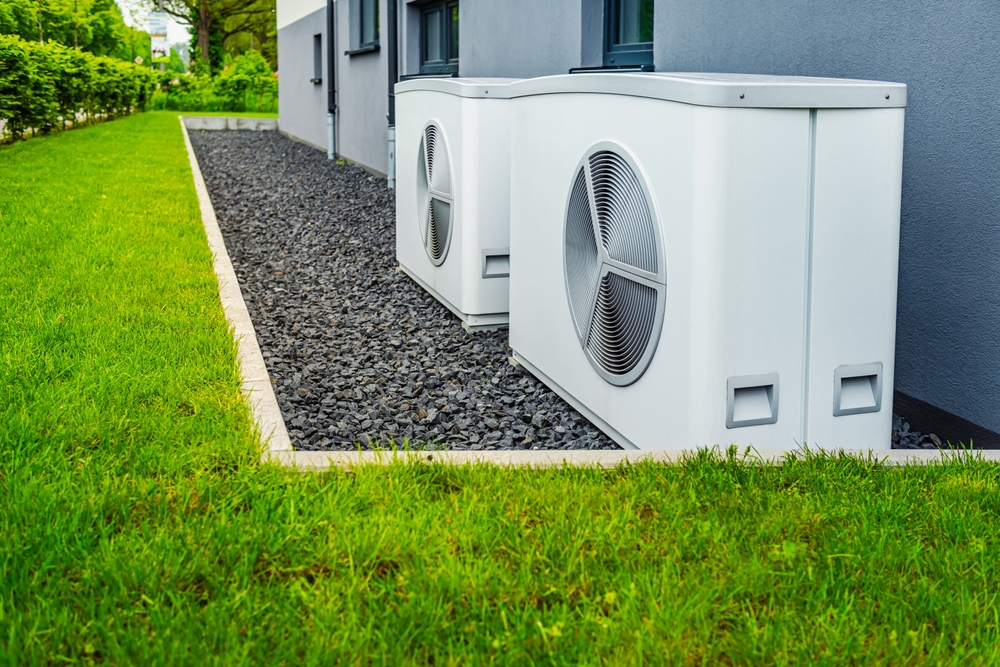
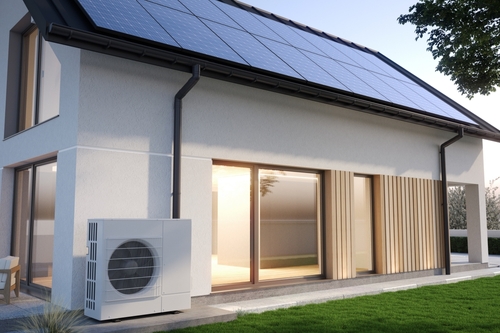
  • Switching to low‑carbon technologies like heat pumps.

📌 Emerging change: Homes equipped with heat pumps have shown 40–67% lower annual electricity consumption than typical UK houses due to high efficiency and insulation.

While upfront costs can be higher, government grants and incentives — such as heat pump funding — are making these upgrades more affordable.


Conclusion: Start Small, Save Big

Whether it’s changing a bulb, adjusting your thermostat, or drying your clothes differently, every small change adds up to real energy and cost savings. By combining everyday actions with targeted home improvements, households can significantly reduce energy consumption for both wallets and the planet.
Share this:

  • Click to share on LinkedIn (Opens in new window) LinkedIn
  • Click to share on Facebook (Opens in new window) Facebook
  • Click to email a link to a friend (Opens in new window) Email
  • Click to print (Opens in new window) Print
  • Click to share on X (Opens in new window) X

Related

Categories
Archives

Our Newsletter

Watch Our Video

Previous Committee urges emissions cut of 60% by 2030 Next Code for Sustainable Homes Assessor – Merrow, West Wittering, West Sussex

Company No: 06408056
VAT No: 980016044
Sitemap
Privacy

Quick Links

  • Home
  • About
  • Contact
  • Home
  • About
  • Contact

Sign up for Quarterly Newsletter

Please click here to recieve our quarterly newsletters

© Syntegra Consulting Ltd.