Rights of Light Assessment for Development

Rights of Light is a legal easement that can affect development where neighbouring properties have acquired rights to receive natural light. Understanding potential rights of light impacts is important when assessing the feasibility of a development, particularly on constrained urban sites.

Our consultants provide rights of light assessments to identify potential impacts and help developers understand risks before committing to detailed design.

Rights of Light Assessment

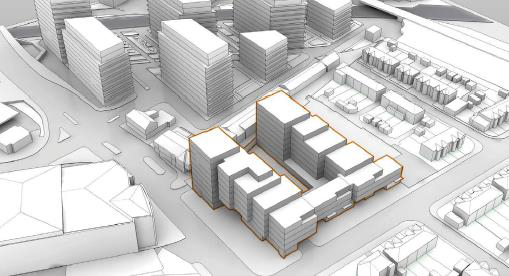
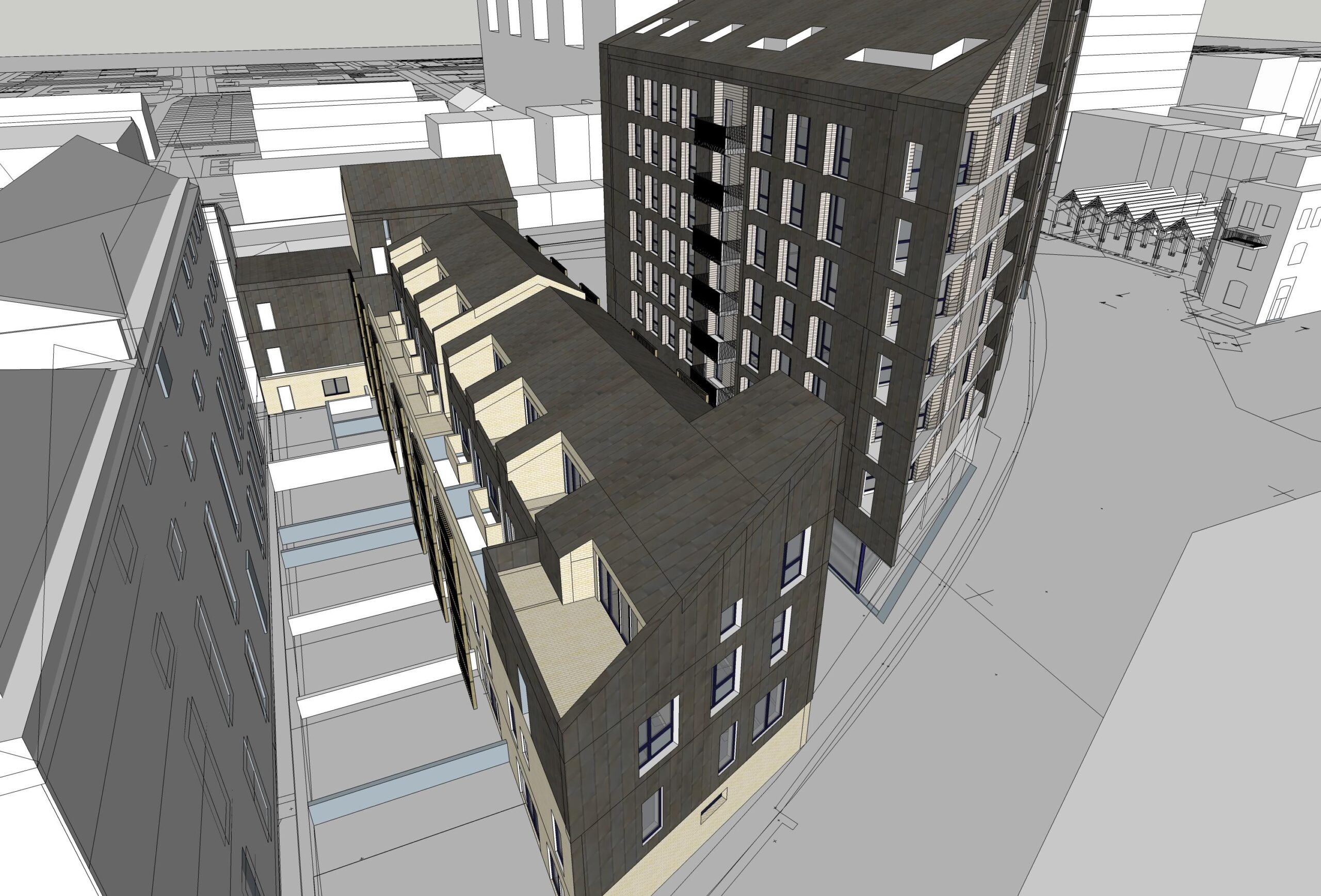
We assess the relationship between a proposed development and surrounding properties to identify where existing access to light could be affected.

The assessment provides an early indication of potential rights of light issues and can help inform decisions about building height, massing and layout.

Development Feasibility

Rights of light considerations can influence the development potential of constrained sites. Early assessment allows potential issues to be identified before the design becomes too advanced.

Our analysis can be used alongside planning, daylight and sunlight and architectural assessments to provide a broader understanding of the site’s constraints.

Impact on Neighbouring Properties

Where a proposed development could reduce light to neighbouring buildings, we can assess the likely extent and significance of the impact.

This provides developers and professional advisers with technical information to support negotiations and decisions about the proposed scheme.

Design Development

Rights of light analysis can be undertaken at different stages of a project. Early-stage testing can compare massing options, while more detailed analysis can assess the impact of an advanced design.

We work with architects and development teams to identify practical changes that may reduce potential impacts while protecting the objectives of the scheme.

Supporting Commercial Decisions

Rights of light risk can have financial and programme implications if it is identified late in the development process. Early technical assessment provides a stronger basis for understanding potential exposure and making informed design decisions.

NEED ASSISTANCE WITH YOUR PROJECT?

Our expert team of planning specialists, sustainability consultants and Chartered Engineers are here to help.

Get in touch with us today

Question: What is a Right of Light?

Answer: A Right of Light is a private legal easement that entitles the owner of a building to receive sufficient natural light through defined windows or apertures. Rights are usually acquired under the Prescription Act 1832 where light has been enjoyed uninterrupted for 20 years, or through express grant in a deed. If a new development reduces the light to a neighbouring window below the legal threshold, the neighbour may seek an injunction to stop or cut back the development, or claim damages.

Rights of light are entirely separate from planning permission and are governed by property law rather than planning policy.


Question: What is a Rights of Light Assessment?

Answer: A Rights of Light Assessment identifies which neighbouring properties may benefit from rights of light, analyses whether the proposed development would reduce light to those properties below the legal threshold and quantifies the loss. The assessment uses the Waldram method, which measures the area of a room receiving at least 0.2 per cent sky factor at the working plane. If less than 50 per cent of the room remains adequately lit after development, an actionable injury may arise.


Question: When should a Rights of Light Assessment be commissioned?

Answer: Assessments should be undertaken at feasibility or concept stage, before the massing is fixed, because rights of light can constrain the developable envelope more severely than planning daylight criteria. Early assessment allows the design to be adjusted, risks to be quantified and strategies such as insurance, release agreements or Section 203 to be planned. Discovering rights of light issues after planning consent can be extremely costly.


Question: What is the difference between rights of light and daylight and sunlight for planning?

Answer: Daylight and sunlight assessments for planning use BRE 209 guidance to assess amenity impacts and inform the planning decision. Rights of light assessments use the legal Waldram methodology to determine whether an actionable injury to a private easement would occur. A scheme can satisfy BRE guidance and still infringe rights of light, or vice versa, so both assessments are needed on most urban development.


Question: What remedies can a neighbour seek?

Answer: A neighbour whose right of light is infringed can seek an injunction requiring the development to be stopped, modified or even demolished, or damages in lieu of an injunction. Following the Supreme Court decision in Coventry v Lawrence, courts have more flexibility to award damages, but injunctions remain a real risk, particularly where the developer proceeds knowingly. Damages may be based on a share of the developer’s profit rather than the loss in value to the neighbour.


Question: How can rights of light risks be managed?

Answer: Options include redesigning the massing to avoid infringements, negotiating release agreements with affected owners for a payment, obtaining rights of light insurance to cover injunction and damages risk, and, for schemes with local authority involvement, using Section 203 of the Housing and Planning Act 2016 to override easements in exchange for statutory compensation. A rights of light consultant advises on the most appropriate strategy for each project.


Question: Why choose Syntegra Group for rights of light consultancy?

Answer: Syntegra Group provides rights of light assessments, development envelope studies, risk reports and neighbourly matters advice for developers, architects and investors across the UK. Our consultants use Waldram analysis and 3D modelling to identify and quantify risks early, and we work alongside our daylight and sunlight team so that planning and legal light issues are addressed together in a coordinated strategy.