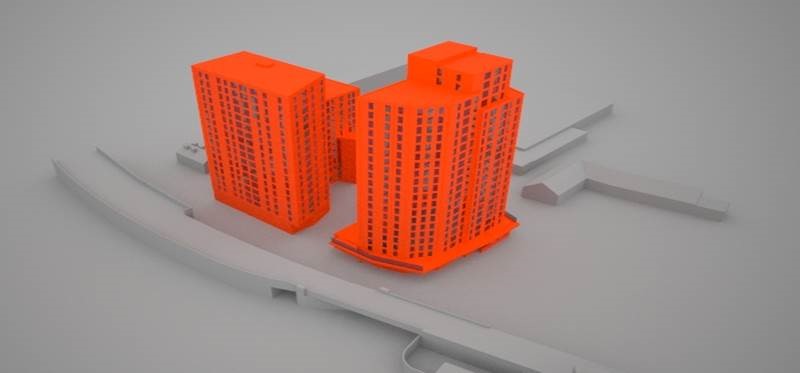

Glint and Glare Assessment
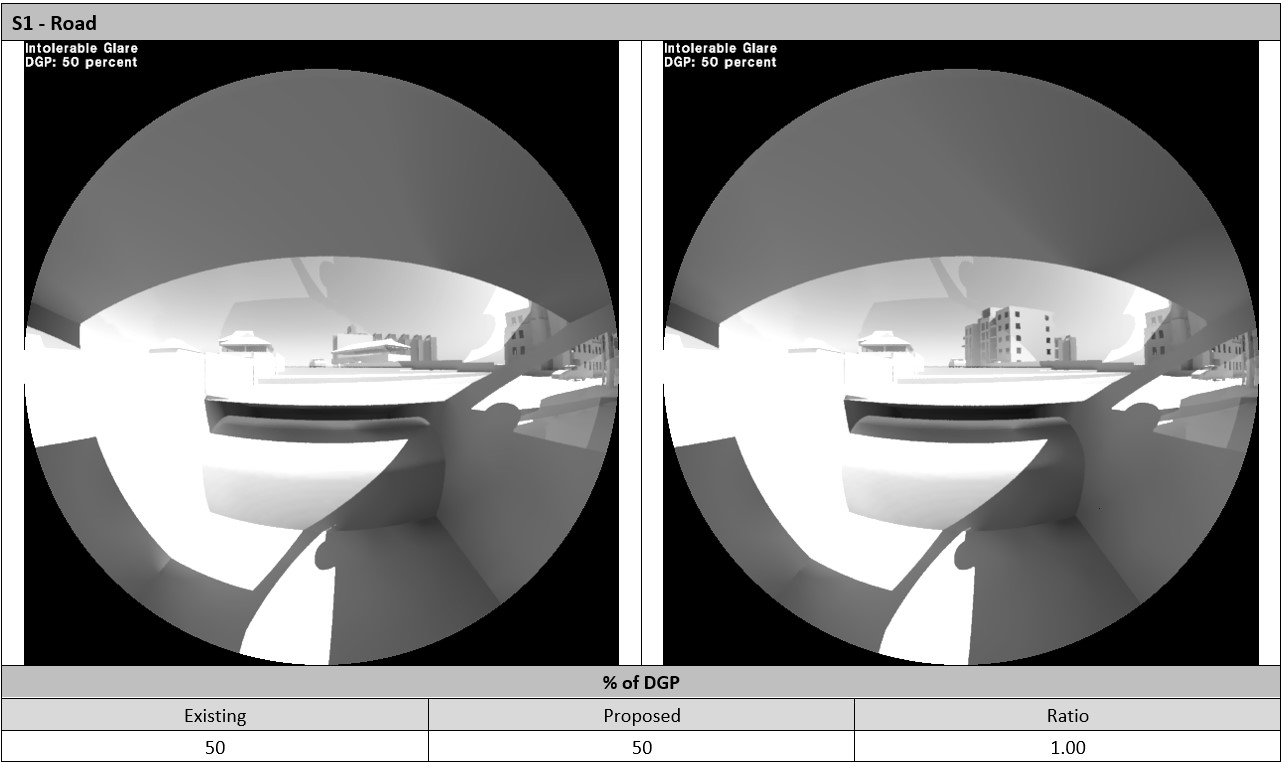
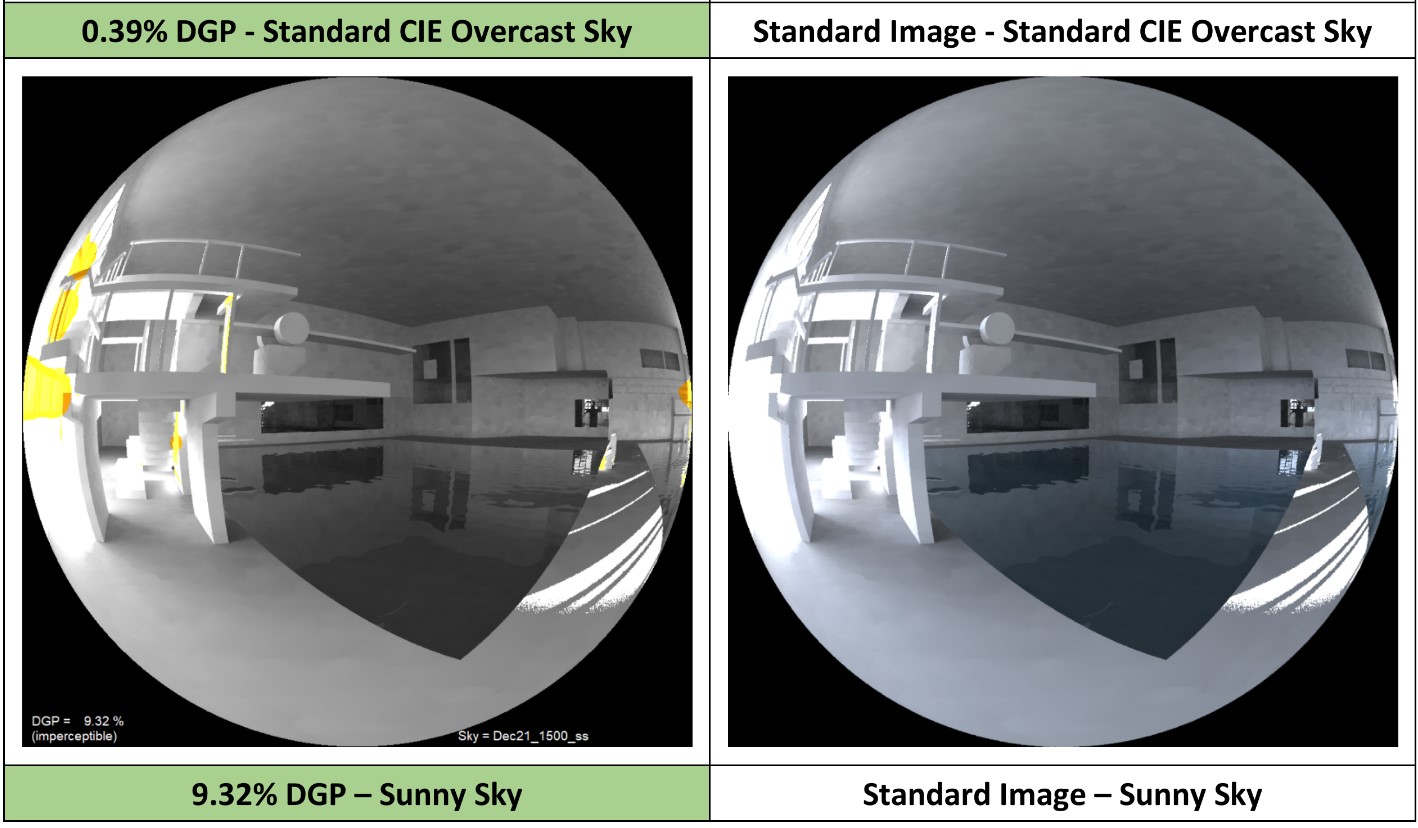
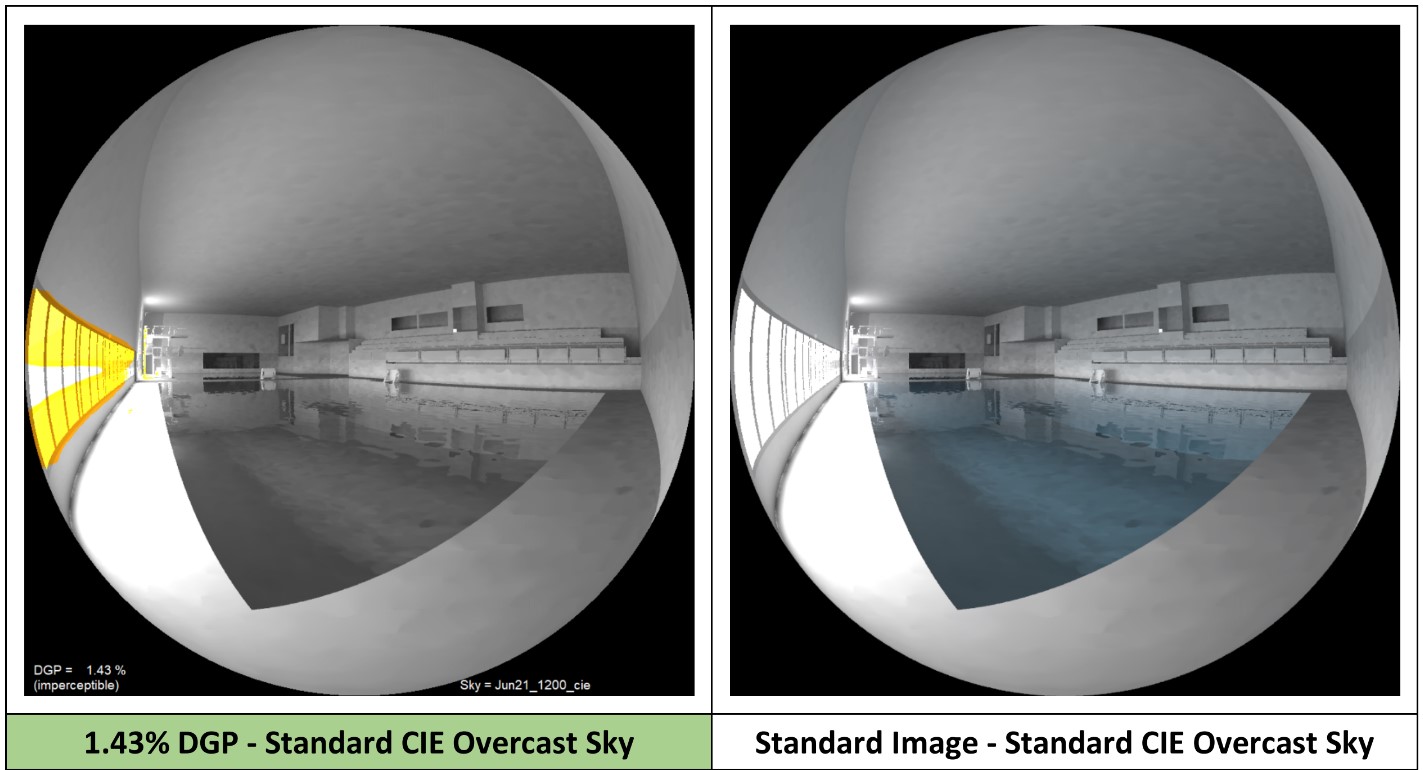
Glint and glare can occur when sunlight reflects from surfaces such as solar panels, glazing, metal façades and other reflective materials.
In certain locations, reflected sunlight can affect nearby properties, roads, railways, aviation infrastructure or other sensitive receptors.
Our consultants provide glint and glare assessments to identify potential reflection and glare effects associated with proposed developments.
Glint and Glare for Solar Panels
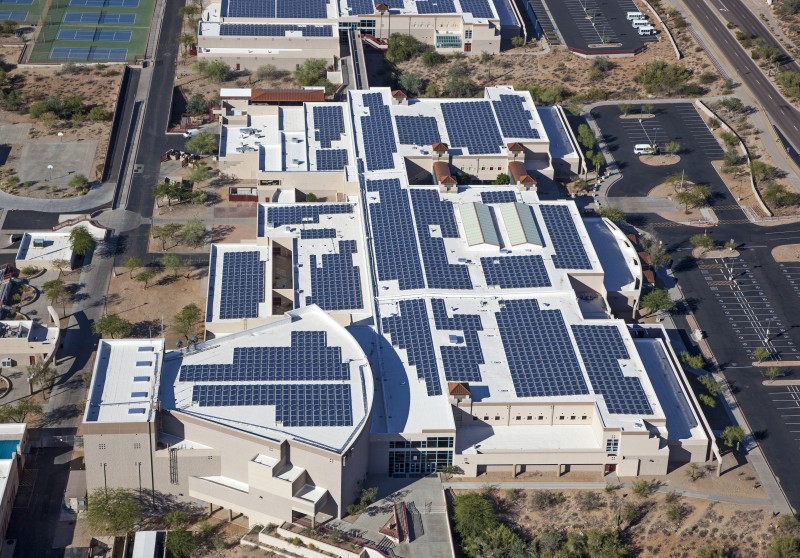
Solar photovoltaic panels are designed to absorb sunlight, but some reflection can still occur depending on the panel design, orientation and surrounding conditions.
A glint and glare assessment can identify whether reflections from a proposed solar installation could affect nearby sensitive receptors.
The assessment can consider the position, orientation and characteristics of the panels together with the surrounding environment.
Glint and Glare for Buildings
Reflective façades, glazing, roofs and other building materials can also create potential glare.
Our assessment can consider the geometry and orientation of reflective surfaces and identify locations where reflected sunlight could be experienced.
This can be relevant to planning applications for buildings located close to roads, railways, residential properties or other sensitive locations.
Glint and Glare Modelling
Computer-based modelling can be used to determine the direction and duration of potential reflections.
The analysis considers the position of the sun throughout the relevant periods and the geometry of the proposed development.
Where potential effects are identified, the results can help inform appropriate mitigation or design changes.
Planning and Environmental Assessment
Glint and glare assessments can provide supporting technical information for planning applications where reflective surfaces may have the potential to affect surrounding receptors.
Our approach is proportionate to the development, surrounding environment and potential sources of reflected sunlight.