Question: What is a Lighting Impact Assessment?
Answer: A Lighting Impact Assessment evaluates the potential effects of a proposed lighting installation on surrounding residents, road users, ecology and the night sky. It considers light spill, glare, sky glow and the visual intrusion of luminaires, and demonstrates that the lighting has been designed to minimise obtrusive light while meeting the functional requirements of the development.
Assessments are commonly required to support planning applications for developments with significant external lighting, particularly in sensitive locations.
Question: When is a Lighting Impact Assessment required for planning?
Answer: Local Planning Authorities may require a Lighting Impact Assessment for:
- Sports facilities, floodlit pitches and stadia
- Industrial, logistics and distribution developments operating at night
- Car parks, transport interchanges and petrol stations
- Developments near residential properties
- Sites near designated ecological areas, bat roosts or watercourses
- Developments in rural, dark sky or Areas of Outstanding Natural Beauty
- Environmental Impact Assessment developments
- Discharge of planning conditions relating to lighting
The NPPF requires planning decisions to limit the impact of light pollution on local amenity, intrinsically dark landscapes and nature conservation.
Question: What guidance is used for Lighting Impact Assessments?
Answer: Assessments are undertaken in accordance with the Institution of Lighting Professionals (ILP) Guidance Note GN01 Guidance Notes for the Reduction of Obtrusive Light, which sets limits for sky glow, light intrusion into windows, luminaire intensity and building luminance according to the environmental zone (E0 to E4). Other relevant guidance includes ILP GN08 on bats and artificial lighting, BS 5489, BS EN 12464-2, BS EN 12193 for sports lighting and CIE 150 on obtrusive light.
Question: What is obtrusive light?
Answer: Obtrusive light is light that spills beyond the area it is intended to illuminate and causes nuisance or harm. It includes sky glow (brightening of the night sky), light intrusion or trespass (light entering neighbouring windows), glare (excessive brightness causing discomfort or reduced visibility) and visual intrusion. Under the Clean Neighbourhoods and Environment Act 2005, artificial light emitted from premises can constitute a statutory nuisance.
Question: What does a Lighting Impact Assessment include?
Answer: A typical assessment includes:
- Baseline survey of existing lighting and night-time conditions
- Identification of sensitive receptors and environmental zone
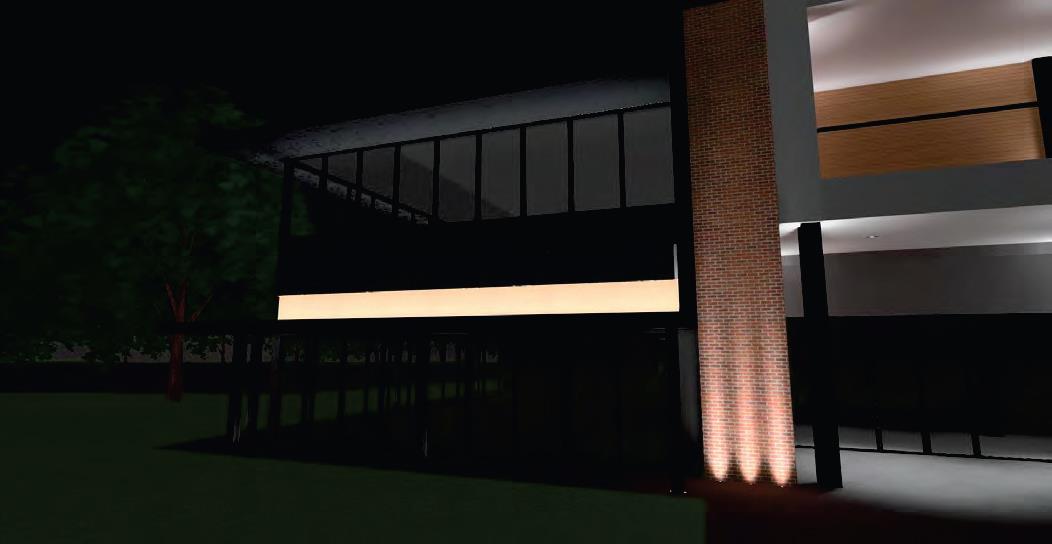
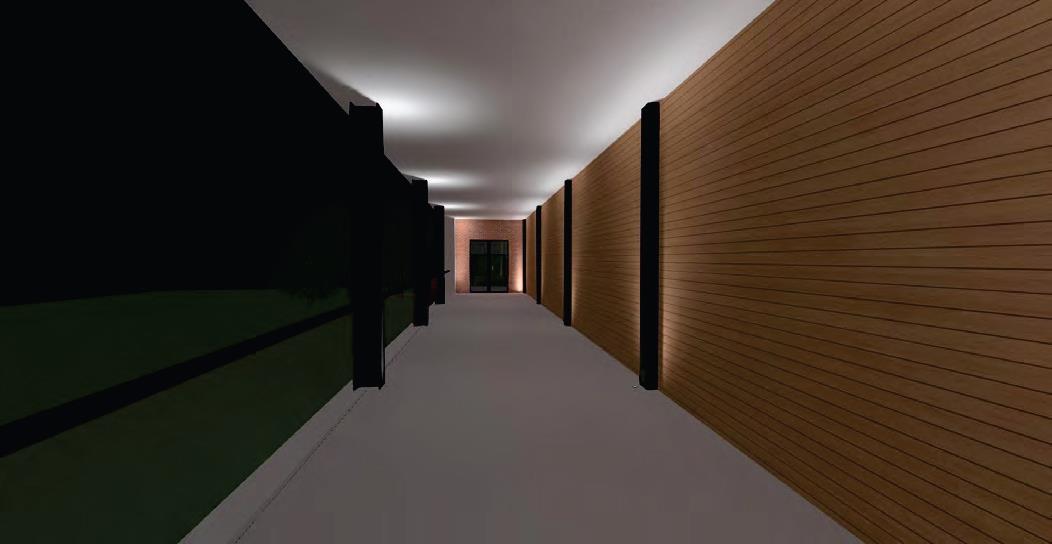
- Description of the proposed lighting design
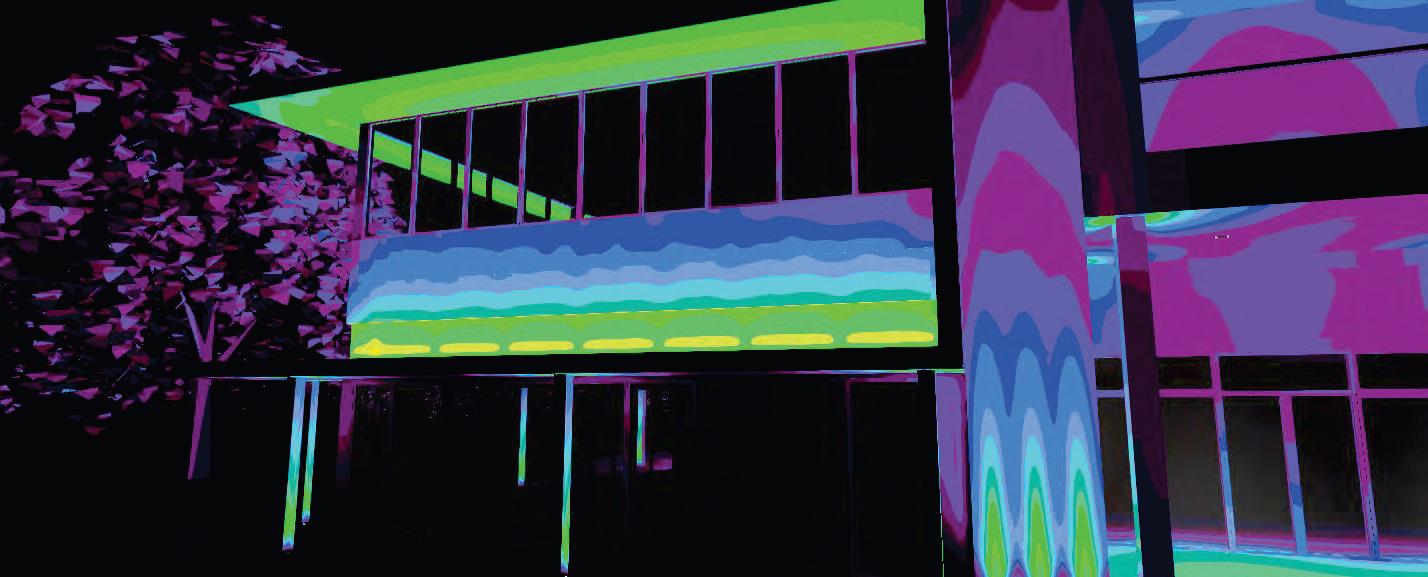
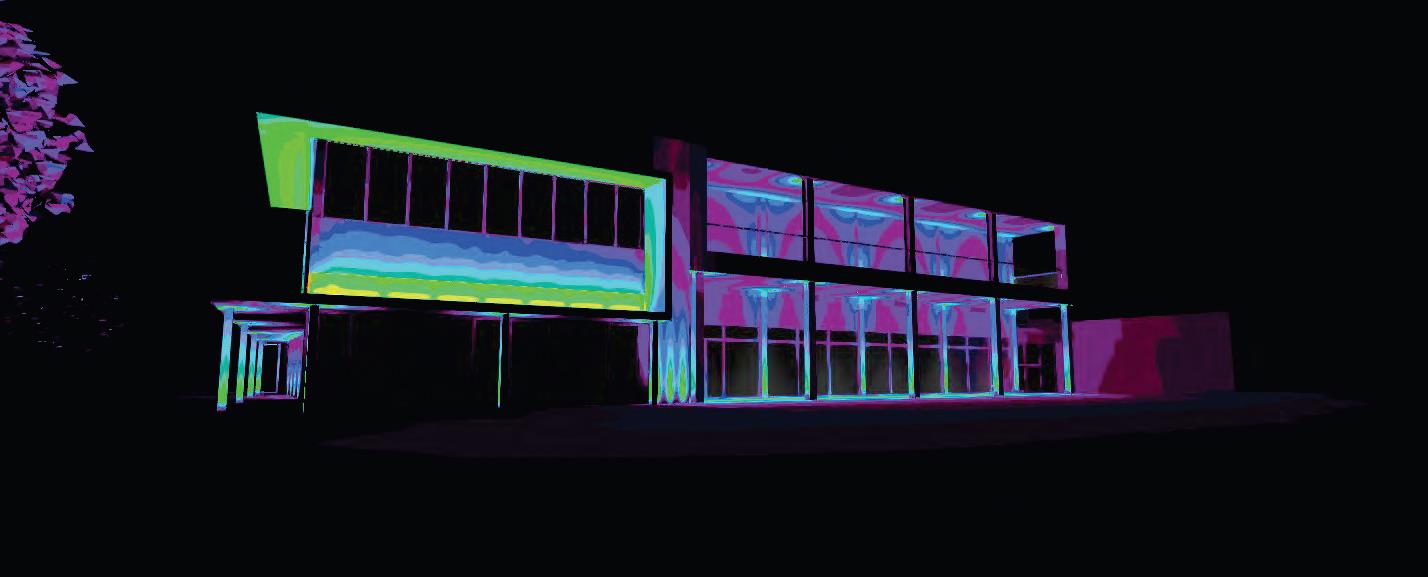
- Lighting calculations and lux plans showing horizontal and vertical illuminance
- Assessment of light spill at boundaries and windows against ILP limits
- Assessment of glare and upward light ratio
- Ecological lighting assessment where required
- Mitigation measures and lighting management proposals
Question: What mitigation can reduce lighting impacts?
Answer: Mitigation includes selecting luminaires with full cut-off optics and zero upward light, using appropriate mounting heights and aiming angles, adding shields and louvres, using warm colour temperature LEDs (typically 2700K to 3000K) near ecological receptors, dimming and time-switching, and ensuring lighting is switched off outside operating hours. The assessment demonstrates how these measures achieve compliance with the relevant limits.
Question: Why choose Syntegra Group for a Lighting Impact Assessment?
Answer: Syntegra Group prepares Lighting Impact Assessments and external lighting designs for planning applications and condition discharge across the UK. Our lighting designers work to ILP guidance and produce the lux plans, spill calculations and reports that planning officers and Environmental Health Officers expect, and we coordinate closely with our ecology team where bats and other protected species are a consideration.
As electrical design engineers, we can also take the lighting scheme through to detailed design and specification, ensuring what is assessed at planning is what is delivered on site.