Protected Species Survey

Protected species surveys identify the presence or potential presence of wildlife that is protected by legislation and could be affected by development. Identifying ecological constraints early is important for planning applications, site design and construction management.

Our ecologists undertake protected species surveys and provide practical recommendations based on the characteristics of the site and proposed development.

Protected Wildlife Surveys

Depending on the site, surveys may consider species including bats, badgers, reptiles, breeding birds, amphibians and other protected wildlife.

The appropriate survey approach depends on the habitats present, the proposed works and the potential for protected species to be affected.

Bat Surveys

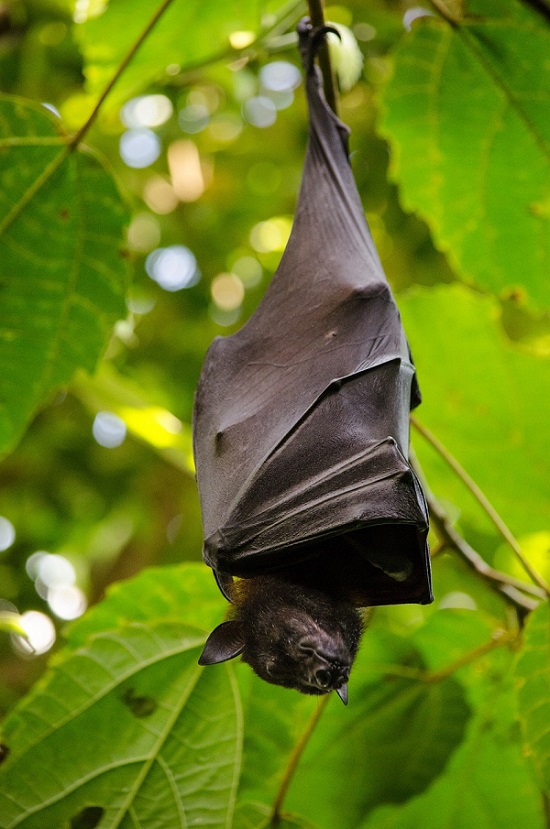
Buildings, trees and other structures can provide roosting opportunities for bats. Where suitable features are identified, further inspection or activity surveys may be required to establish whether bats are using the site.

Our consultants can advise on survey requirements and appropriate mitigation where bats could be affected by development.

Badger, Reptile and Amphibian Surveys

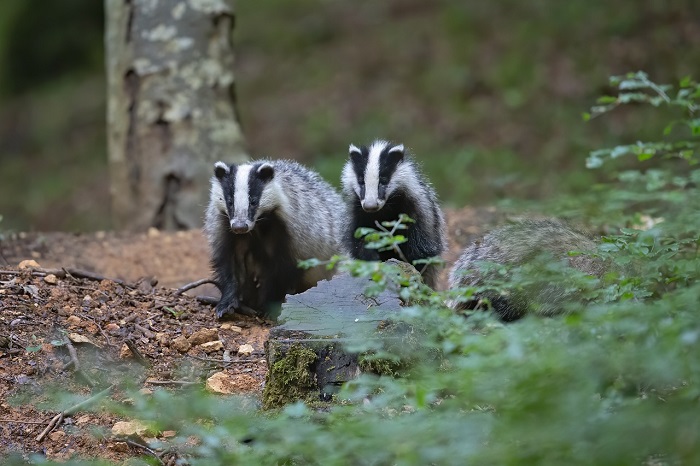
Development sites can contain habitats suitable for badgers, reptiles, amphibians and other protected species. Targeted surveys can help establish the presence or likely absence of relevant species and inform the development strategy.

Birds and Nesting Sites

Vegetation, trees and buildings can provide nesting opportunities for birds. Ecological assessments can identify potential constraints and advise on appropriate timing and management of works.

Planning and Mitigation

Where protected species are identified, ecological advice can help determine how the development should proceed while reducing impacts on wildlife.

Recommendations may include habitat retention, sensitive working methods, ecological supervision, timing restrictions, mitigation measures or further licensing requirements where applicable.

What is a Protected Species Survey?

A protected species survey is a process that involves identifying and monitoring endangered species. Experts in the scientific community conduct the survey with public and private partners to protect important habitats and increase species’ populations. The survey is designed to identify species on the verge of extinction and to build the road to recovery to bring them back.

Why are Protected Species Surveys Important?

Protected species surveys are important because they help identify and protect endangered species. Experts in the scientific community conduct the survey with public and private partners to protect important habitats and increase species’ populations. The survey is designed to identify species on the verge of extinction and to build the road to recovery to bring them back. The survey involves identifying and monitoring endangered species, as well as protecting their habitats.

The following are the specialist species our ecologists are qualified to assist with:

NEED ASSISTANCE WITH YOUR PROJECT?

Our expert team of planning specialists, sustainability consultants and Chartered Engineers are here to help.

Get in touch with us today

Question: What is a Protected Species Survey?

Answer: A Protected Species Survey is a targeted ecological survey to establish whether legally protected animals or plants are present on or near a development site, how they use the site and how they may be affected by the proposals. Surveys follow species-specific methodologies and are carried out by licensed and experienced ecologists during the appropriate season.

Surveys are required where a Preliminary Ecological Appraisal identifies suitable habitat and are used to design mitigation, obtain protected species licences and satisfy planning requirements.


Question: Which species are protected in the UK?

Answer: Commonly encountered protected species include:

  • Bats, all species of which are European Protected Species
  • Great crested newts, also a European Protected Species
  • Badgers, protected under the Protection of Badgers Act 1992
  • Reptiles including slow worms, grass snakes, adders and common lizards
  • Nesting birds, with additional protection for Schedule 1 species such as barn owls
  • Dormice, otters and water voles
  • Certain plants and invertebrates

It is a criminal offence to kill, injure or disturb these species or to damage or destroy their breeding sites or resting places.


Question: When can protected species surveys be carried out?

Answer: Survey seasons are strictly constrained:

  • Bat emergence and re-entry surveys: May to September, with two or three visits typically required
  • Great crested newt surveys: mid-March to mid-June, or eDNA sampling from mid-April to June
  • Reptile surveys: April to June and September to October, with seven visits
  • Breeding bird surveys: March to July
  • Badger surveys: any time, with best results in spring and autumn
  • Dormouse surveys: April to November

Missing a survey window can delay a planning application by up to a year, so early commissioning is essential.


Question: What is a bat survey?

Answer: A bat survey normally begins with a Preliminary Roost Assessment (PRA) of buildings and trees to assess their potential to support roosting bats. Where potential is identified, emergence and re-entry surveys are undertaken at dusk and dawn using bat detectors and, increasingly, infrared or thermal cameras, following Bat Conservation Trust Good Practice Guidelines. Results determine whether a roost is present, its type and importance, and whether a Natural England licence and mitigation are required.


Question: What is a protected species mitigation licence?

Answer: Where development will unavoidably affect a European Protected Species such as bats or great crested newts, a mitigation licence must be obtained from Natural England (or Natural Resources Wales) before works begin. The licence application requires survey data, a method statement and mitigation and compensation measures, and can only be granted after planning permission is obtained. District Level Licensing is available for great crested newts in many areas as a simpler alternative.


Question: What happens if protected species are found?

Answer: Finding protected species does not necessarily prevent development. The ecologist designs mitigation to avoid harm, such as timing works outside sensitive periods, creating replacement roosts or habitat, translocating reptiles, installing exclusion fencing and providing enhancement. Measures are set out in a mitigation strategy or method statement submitted with the planning application and, where necessary, a licence application.


Question: Why choose Syntegra Group for protected species surveys?

Answer: Syntegra Group’s licensed ecologists undertake protected species surveys for bats, great crested newts, reptiles, badgers, birds, dormice and other species across the UK, following Natural England and professional good practice guidelines. We design proportionate mitigation and prepare licence applications, helping clients achieve planning permission and lawful construction without unnecessary delay.

Our ecology team works alongside our arboricultural, lighting and landscape specialists to ensure bat-sensitive lighting, tree protection and habitat creation are fully integrated into the scheme.