

Renewable technology retrofit projects involve upgrading existing buildings to improve energy performance and integrate low-carbon systems. These projects are increasingly relevant as property owners and occupiers focus on long-term energy cost reduction, carbon reduction, and compliance with evolving regulatory standards. Syntegra Group offers energy efficiency and renewable technology solutions through its Energy Contracting division. This division specialises in the implementation of energy-saving technologies for both new-build and retrofit projects. As a result, it aims to reduce carbon emissions and overall energy consumption. Furthermore, the holistic approach includes design and installation and, where appropriate, the identification of funding strategies, such as grants or energy performance contracts. Ultimately, this ensures that projects are both environmentally and financially sustainable.
Key Takeaways
- Renewable technology retrofit projects upgrade existing buildings to improve energy performance and reduce carbon emissions.
- Successful retrofit starts with detailed assessment, clear objectives, and the right mix of technologies.
- UK policy, regulation, and funding play a key role in shaping retrofit strategies and delivery models.
- Integrating fabric improvements, renewables, and smart controls delivers stronger long-term performance.
- Ongoing monitoring and optimisation help maintain savings and support compliance over time.
Did you know? Many retrofit projects underperform, not necessarily because of the technology choice, but rather due to poor commissioning and a lack of post-installation monitoring. In fact, these factors often have a greater impact on performance than the selected technology itself. Therefore, ensuring proper commissioning and ongoing monitoring is essential to achieve the intended energy savings. Share your view.
Understanding Renewable Technology Retrofits

What is a Retrofit Project?
A retrofit project refers to improvements made to an existing building to enhance performance. In the context of renewable technology, this means integrating systems and measures that generate or conserve energy with low carbon impact. Retrofit differs from new build installations in that it must work within constraints of the existing structure. Successful retrofit combines practical engineering, careful assessment, and appropriate sequencing to deliver measurable benefits.
Core Measures in Renewable Technology Retrofits
| Measure | Purpose | Typical Outcome |
| Solar photovoltaic (PV) | Generate renewable electricity | Reduce grid energy use |
| Battery energy storage | Store excess generation | Increase self-consumption |
| Heat pumps | Low-carbon heating and hot water | Lower fossil fuel heating use |
| Insulation and airtightness | Improve fabric performance | Reduce heat loss |
| Smart controls and monitoring | Optimise system performance | Improve operational efficiency |
Retrofitting may include one or multiple measures, chosen to suit the building’s characteristics and the client’s goals.
Why Retrofit Matters
Retrofit offers several advantages. It can reduce energy costs over time, contribute to organisational carbon reduction targets, and enhance occupant comfort. Better performing buildings may also attract tenants or customers who value sustainability. The careful selection of technologies and implementation strategy is vital to realise these potential improvements.
Syntegra Group’s Energy Contracting services support clients by integrating renewable technologies and energy saving solutions into retrofit environments, alongside identification of potential funding options.
Policy Landscape and Funding Environment
Government Support and Funding
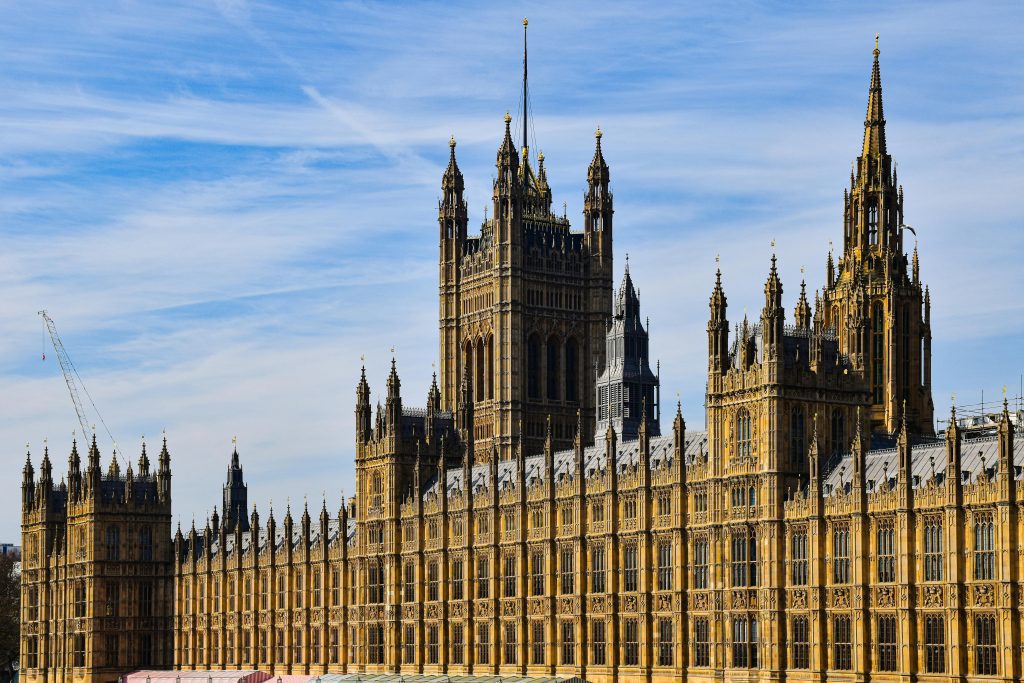
Government programmes play an important role in encouraging retrofit activity. For example, funding from the UK Government’s Warm Homes Plan supports energy efficiency improvements to social housing. Consequently, this funding enables measures that both reduce energy bills and improve comfort. In addition, such initiatives help promote long-term sustainability and wellbeing for residents. Specific allocations under this plan aim to retrofit tens of thousands of homes with energy efficiency upgrades.
In London, the Warmer Homes London initiative supports installation of insulation, solar panels, and heat pumps for eligible households. This funding is intended to simplify access to retrofit funds and broaden uptake across the capital.
Government programmes may also offer targeted support for heat pump installation through schemes such as the Boiler Upgrade Scheme, which provides a financial contribution towards the cost of low-carbon heating systems.
Regulatory Drivers
Regulation is influencing retrofit decisions. In the UK, Energy Performance Certificates (EPCs) drive building performance standards, and minimum ratings are increasingly used in compliance and leasing decisions. Requirements under Part L of Building Regulations set out energy performance criteria for building works. Meanwhile, corporate and public sector commitments to net zero emissions are encouraging organisations to prioritise retrofit to meet environmental targets.
Why Funding and Advice Matter
Complex policy environments make external advice valuable. Organisations benefit from guidance in identifying relevant grant opportunities, understanding eligibility criteria, and integrating funding into project planning. Syntegra Group can assist clients in navigating funding streams and regulatory drivers, helping to align retrofit work with broader organisational objectives.
Planning and Preparing a Retrofit Project

Energy Assessment and Baseline Establishment
A robust retrofit begins with a detailed energy assessment. This includes energy audits, condition surveys, and baseline performance analysis. Collecting data on current energy use, thermal performance, control systems, and occupant behaviour provides the evidence needed to prioritise measures and quantify potential impact.
Defining Project Goals
Clear project goals help shape the retrofit strategy. Common objectives include:
- Reducing energy consumption by a given percentage
- Cutting carbon emissions
- Improving EPC rating
- Achieving a specific payback period
- Enhancing occupant comfort
Aligning objectives with measurable criteria enables more accurate assessment of project success.
Choosing Suitable Technologies
Technology selection depends on building type and operational patterns. Solar PV may offer financial benefits where roof space and solar exposure are favourable. Heat pumps may be appropriate where low carbon heat is a priority and existing heating can be modified. Improving fabric performance enhances comfort and reduces heating and cooling loads.
Syntegra Group’s Energy Contracting division supports identification and integration of these technologies, taking a holistic view to ensure measures work effectively together.
Stakeholder Engagement
Engaging stakeholders early helps secure buy-in and set expectations. Building owners, occupants, facilities managers, and funders all have interests in outcomes and logistics. Clear communication about project phases, timelines, and anticipated benefits reduces disruption and supports smoother delivery.
Selecting Retrofit Measures

Solar Photovoltaic (PV) Systems
Solar PV converts sunlight into electricity, offering a renewable source of power directly on site. In retrofit projects, roof-mounted arrays are common where structural conditions and orientation permit. Integrating battery storage can improve self-consumption, capturing excess generation for later use. System design must consider shading, structural capacity, and local planning requirements.
Battery Storage
Battery storage systems complement renewable generation by storing electricity produced during daylight for use during peak demand periods. As a result, this can smooth energy usage and reduce peak charges where applicable. Furthermore, when used in combination with solar PV, storage not only increases self-consumption but also enhances resilience. Consequently, integrating battery storage can improve both efficiency and energy security.
Heat Pumps
Heat pumps extract heat from the air or ground to provide space heating and hot water, resulting in lower carbon emissions than conventional boilers. Specifically, air source heat pumps are easier to install in many retrofit settings, whereas ground source options may require more extensive groundworks. Moreover, heat pump performance is influenced by building fabric quality, emitter type (such as radiators or underfloor heating), and the chosen control strategy. Therefore, careful consideration of these factors is essential to achieve optimal efficiency.
Fabric Improvements
Enhancing building fabric reduces heat loss and improves comfort. Common measures include:
- Roof insulation
- Wall insulation
- Floor insulation
- Draught proofing
- Upgrading glazing
These improvements reduce energy demand and support the effectiveness of renewable systems.
Smart Controls and Energy Management
Smart controls allow precise regulation of heating, lighting, and other building services. Building management systems (BMS) and energy monitoring platforms help optimise performance, identify faults, and provide data for verification. Proper commissioning ensures systems work as intended and deliver expected benefits.
Choosing the Right Package
Selecting the optimal combination of measures requires understanding building characteristics and organisational priorities. Retrofit packages are rarely one-size-fits-all. Instead they are tailored to site constraints, cost profiles, and performance targets. Synergies between measures should be identified so improvements in one area support performance in another.
Delivery Models and Procurement Routes
Traditional Delivery
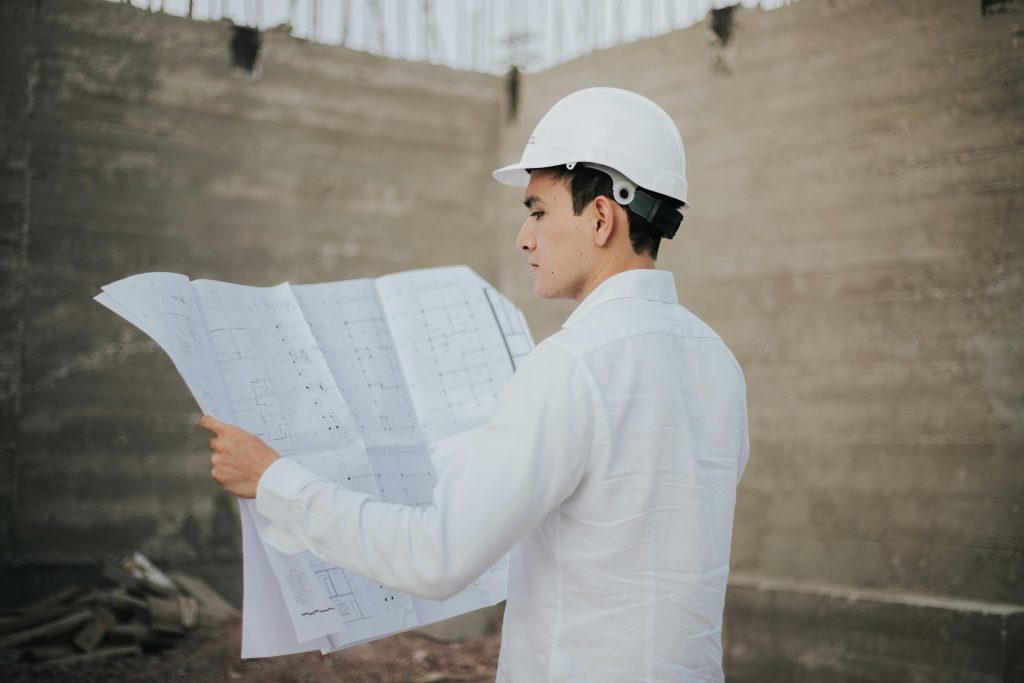
In a traditional delivery model, design and installation are contracted separately or as a single package with clearly defined scopes. This approach may suit clients with strong internal project management capability and clear technical requirements.
Performance-Led Models
Energy performance contracts link financial outcomes to measured performance over time. Under such arrangements, risk is shared between client and contractor, with payments tied to energy savings or other agreed metrics. Syntegra Group offers energy saving performance contracts as part of Energy Contracting services, combining installation with long-term performance assurance.
Grant-Supported Projects
Where grants or incentives are available, procuring in alignment with funding requirements is essential. Syntegra Group can assist in identifying potential grants and structuring projects to meet eligibility criteria.
Selecting Suppliers
Transparent procurement and careful supplier selection are vital. Suppliers should demonstrate experience in retrofit projects of similar scale, provide references, and commit to providing necessary warranties and post-installation support.
Implementation and Quality Assurance
Implementation should be planned to minimise operational disruption. Sequencing may begin with enabling works, follow with fabric and structural improvements, and then progress through plant installation, electrical works, and control system setup. Clear phasing helps maintain safety and productivity, particularly in occupied buildings.
Safety and Compliance
Safety standards and regulatory compliance cannot be compromised. Contractors must adhere to relevant construction regulations and health and safety requirements. Documentation and certification should be provided as part of handover.
Testing and Commissioning
Once installed, systems must be tested and commissioned to confirm correct operation. Commissioning includes functional testing, calibration of controls, and verification of system integration. Quality assurance processes provide confidence that the project meets design expectations.
Monitoring, Evaluation and Optimisation
Performance Metrics
To confirm outcomes, clients should define key performance indicators (KPIs) such as:
- Energy consumption reduction
- Carbon emissions reduction
- Peak load changes
- Operational cost changes
Ongoing Monitoring
Remote monitoring platforms and regular reporting help sustain performance. Data can highlight areas for adjustment and support continuous improvement.
Optimisation and Tuning
Seasonal changes and occupancy patterns may require adjustment to settings and controls. Periodic optimisation maintains efficiency and extends service life of installed systems.
Common Challenges and How to Overcome Them
Financial Barriers
Upfront costs remain a concern for many organisations. Early identification of financial support and careful cost-benefit analysis can improve decision-making. Performance-linked models may help spread risk and align costs with outcomes.
Technical and Logistical Constraints
Older buildings can present challenges such as limited electrical headroom, structural constraints, or heritage restrictions. Early assessment helps reduce surprises during implementation.
Regulatory Complexity
Navigating building regulations, planning constraints, and compliance requirements requires expertise. External support from consultants and contractors with experience in retrofit helps ensure designs meet regulatory expectations.
What Success Can Look Like for Organisations
When well planned and implemented, retrofit projects can deliver measurable improvements. Results may include reduced operational energy use, lower carbon emissions, enhanced comfort for occupants, and stronger compliance with environmental standards. These outcomes support broader organisational goals including corporate sustainability commitments, asset optimisation, and long-term resilience.
Conclusion: Renewable Technology Retrofit Projects
Renewable technology retrofit projects require careful assessment, tailored design, and thoughtful delivery. Successful projects start with a clear understanding of current performance, define appropriate objectives, and select complementary measures that work together. Procurement strategy and quality assurance support effective implementation while ongoing monitoring ensures lasting benefit.
Syntegra Group combines engineering expertise with holistic planning, installation services, and performance-oriented contracting models to help organisations achieve their retrofit goals. Clients considering retrofit projects are invited to speak with Syntegra’s specialists to explore feasibility, funding opportunities, and delivery options.
Contact us to explore how renewable technology retrofit projects can support your energy, carbon, and performance objectives.
Frequently Asked Questions About Renewable Technology Retrofit Projects
What is a renewable technology retrofit project?
A renewable technology retrofit project involves upgrading an existing building with low-carbon and energy-efficient technologies. These projects focus on reducing energy consumption, lowering carbon emissions, and improving overall building performance without the need for demolition or full redevelopment. Typical measures include solar photovoltaic systems, heat pumps, insulation upgrades, and smart energy controls.
Why are renewable retrofit projects important in the UK?
Renewable retrofit projects support the UK’s net zero ambitions, while also helping organisations manage rising energy costs and meet regulatory requirements. In addition, many existing buildings were not designed to meet modern energy standards, which means retrofit provides a practical route to improving efficiency, ensuring compliance, and enhancing long-term resilience. Therefore, investing in retrofit measures delivers both environmental and operational benefits.
What types of buildings are suitable for renewable retrofits?
Most building types can benefit from renewable technology retrofit projects, including commercial offices, public sector buildings, educational facilities, healthcare estates, and residential properties. However, suitability depends on several factors, such as building age, condition, usage patterns, and available space for equipment. Therefore, careful assessment is essential to determine the most effective retrofit solutions for each building type.
Which renewable technologies are most commonly used in retrofit projects?
Common renewable and energy efficiency measures include:
- Solar photovoltaic systems for on-site electricity generation
- Heat pumps for low-carbon heating and hot water
- Battery storage to improve energy self-consumption
- Insulation and airtightness improvements
- Smart controls and building management systems
The right combination depends on the building’s characteristics and project objectives.
How much disruption does a retrofit project cause?
Disruption varies depending on the scope of works and whether the building is occupied. Well-planned retrofit projects are phased to minimise disruption, particularly in operational environments. Early stakeholder engagement and clear sequencing help maintain safety and continuity of use.
Are renewable technology retrofit projects financially viable?
Financial viability depends on capital costs, energy savings, available funding, and project structure. Many organisations find that retrofit projects deliver long-term value through reduced operational costs and improved asset performance. Performance-based delivery models and grant funding can help manage upfront investment.
What funding is available for renewable retrofit projects?
Funding availability depends on building type, location, and ownership. In the UK, government initiatives and local authority programmes may support measures such as insulation, solar PV, and heat pumps. Professional advice helps identify suitable funding opportunities and ensure compliance with eligibility criteria.
How long does a renewable retrofit project take?
Project duration depends on complexity, technology selection, and procurement route. Smaller retrofit projects may take several months from assessment to completion, while larger or multi-site programmes can take longer. Detailed planning and early surveys help reduce delays.
How is performance measured after a retrofit project is completed?
Performance is typically measured using energy consumption data, carbon emissions metrics, and system monitoring outputs. Key performance indicators may include energy savings, cost reductions, and improvements in building comfort. Ongoing monitoring supports optimisation and long-term performance.
How can Syntegra Group support renewable technology retrofit projects?
Syntegra Group supports renewable technology retrofit projects through energy efficiency consultancy, engineering design, and Energy Contracting services. This includes feasibility assessment, technology integration, and delivery models, such as energy performance contracts. In addition, it provides support with monitoring and optimisation, which helps clients achieve their sustainability and performance goals. Ultimately, this comprehensive approach ensures projects deliver maximum environmental and operational benefits.
Further Reading
- Building Regulations Part L Overview: Explanation of energy efficiency requirements for building work in England.
- Net Zero Strategy: Build Back Greener: UK Government strategy outlining pathways to net zero emissions across the built environment.
You must be logged in to post a comment.