Question: What is air quality consulting?
Answer: Air quality consulting is a specialist environmental service that assesses, monitors and manages the impact of air pollution on and from development sites, industrial operations and occupied buildings. Consultants evaluate pollutants such as nitrogen dioxide (NO2), particulate matter (PM10 and PM2.5), sulphur dioxide, volatile organic compounds and odour, and advise on how to keep concentrations within recognised air quality standards.
Air quality consultants typically support planning applications, environmental permit applications, construction management plans and building operation. Their work provides Local Planning Authorities, Environmental Health Officers and the Environment Agency with the technical evidence needed to determine whether a proposal is acceptable and what mitigation may be required.
Question: Why is air quality important in the UK planning system?
Answer: Poor air quality is recognised as one of the largest environmental risks to public health in the UK. The National Planning Policy Framework (NPPF) requires planning decisions to prevent new development from contributing to, or being adversely affected by, unacceptable levels of air pollution.
Local authorities have a statutory duty under the Environment Act 1995 to review and assess air quality within their area through Local Air Quality Management (LAQM). Where national objectives are unlikely to be met, an Air Quality Management Area (AQMA) is declared. Developments within or near an AQMA are frequently subject to additional scrutiny and may require an Air Quality Assessment before planning permission can be granted.
Question: What air quality services are typically required for a development?
Answer: The services required depend on the nature, scale and location of a project. Commonly requested air quality services include:
- Air Quality Assessments for planning applications
- Baseline air quality monitoring
- Atmospheric dispersion modelling
- Construction dust risk assessments
- Odour impact assessments
- Bioaerosol assessments
- Indoor air quality assessment and testing
- Environmental permit applications and support
- Air quality neutral and positive assessments (London)
- Damage cost and mitigation assessments
An early review by an air quality consultant can identify which of these are likely to be needed and help avoid delays during validation and determination.
Question: What are the UK air quality standards and objectives?
Answer: The UK Air Quality Strategy and the Air Quality Standards Regulations 2010 set legally binding limit values and objectives for key pollutants. For example, the annual mean objective for nitrogen dioxide is 40 µg/m³, and the annual mean objective for PM2.5 is 20 µg/m³, with a more stringent interim target of 12 µg/m³ by 2028 under the Environment Act 2021.
Assessments compare predicted concentrations at sensitive receptors against these objectives and use recognised significance criteria, typically the Institute of Air Quality Management (IAQM) and Environmental Protection UK (EPUK) guidance, to determine whether an impact is negligible, slight, moderate or substantial.
Question: What guidance do air quality consultants follow?
Answer: Air quality work in the UK is guided by a well-established framework, including:
- DEFRA Local Air Quality Management Technical Guidance LAQM.TG(22)
- IAQM and EPUK guidance on land-use planning and development control
- IAQM guidance on the assessment of dust from demolition and construction
- IAQM guidance on odour and bioaerosol assessment
- Environment Agency guidance on environmental permitting and H1 risk assessment
- National Planning Policy Framework and Planning Practice Guidance
- London Plan air quality neutral and air quality positive guidance
Following recognised guidance ensures reports are accepted by planning officers, Environmental Health departments and regulators.
Question: When should an air quality consultant be appointed?
Answer: Ideally, an air quality consultant should be involved at the feasibility or pre-application stage. Early advice allows sensitive uses such as residential accommodation, schools and care homes to be positioned away from pollution sources, and allows plant, energy centres and flues to be designed to minimise impacts.
Engaging a consultant early reduces the risk of objections from Environmental Health Officers, avoids redesign costs and helps ensure that the planning application is validated without requests for further information.
Question: What mitigation measures can an air quality consultant recommend?
Answer: Mitigation is tailored to each site, but common measures include:
- Sensitive site layout and building orientation
- Mechanical ventilation with filtration and carefully located air intakes
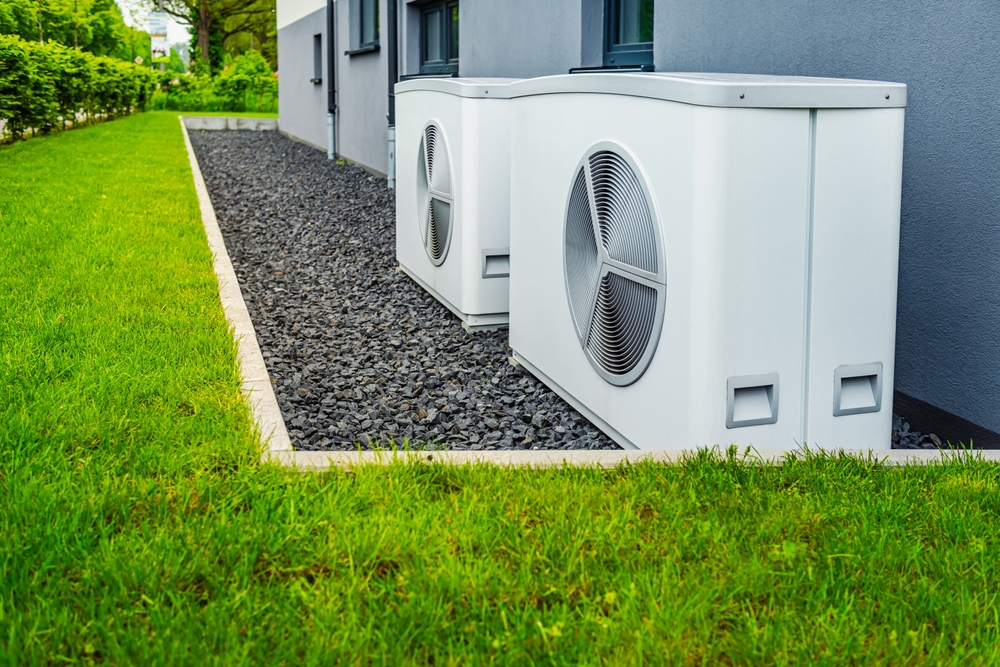
- Low-emission heating such as heat pumps in place of gas boilers
- Ultra-low NOx boilers and appropriate flue heights where combustion plant is retained
- Electric vehicle charging infrastructure and travel planning
- Construction dust management plans
- Green infrastructure and landscaping buffers
- Odour abatement and extract system design
These measures can be secured through planning conditions or incorporated into the development design.
Question: Do air quality assessments apply to existing buildings and operations?
Answer: Yes. Air quality consulting is not limited to new development. Consultants support operators with environmental permit compliance, stack emissions monitoring, odour complaints, indoor air quality investigations and ventilation performance testing in existing buildings such as offices, schools and healthcare facilities.
Indoor air quality assessments are also increasingly required to satisfy BREEAM, WELL and Building Regulations Part F requirements.
Question: Why choose Syntegra Group for air quality consulting?
Answer: Syntegra Group provides a complete range of air quality services throughout the UK, from planning-stage assessments and dispersion modelling to monitoring, odour, bioaerosol and environmental permit support. Our consultants work to IAQM, DEFRA and Environment Agency guidance and have extensive experience engaging with Local Planning Authorities and Environmental Health Officers.
As a multidisciplinary practice, we integrate air quality advice with our energy strategy, building services, acoustic and sustainability teams. This allows us to identify solutions, such as low-emission heating strategies or ventilation design, that satisfy air quality requirements while supporting the wider planning and sustainability objectives of a project.