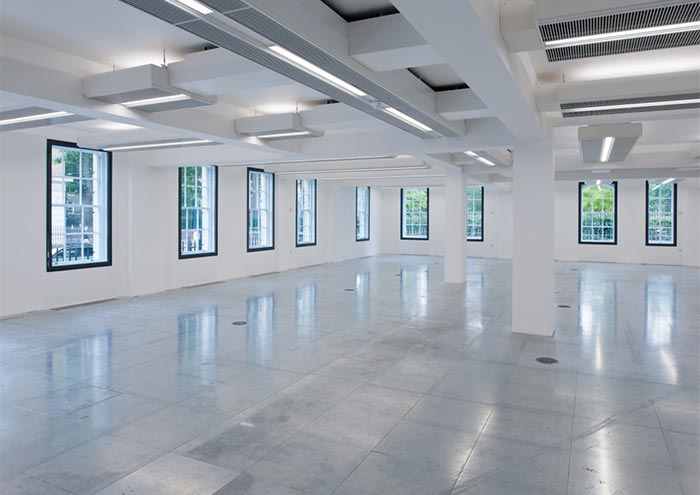
Do You need An Enery Survey Or Audit From A Leading Energy Consultant?

One of the biggest concerns for all types of modern business is how to reduce expenditure on business-critical elements such as energy consumption.

A commercial energy audit from The Syntegra Group can help your business reduce its energy expenditure by at least 10% and develop a highly effective energy saving strategy.

Our MEES(Minimum Energy Efficiency Standards) compliant commercial energy audit gives you the knowledge needed to identify the largest potential energy savings for your business and which energy investments will give the greatest cost benefits. This then allows you to make informed choices to lower your expenditure on energy consumption and increase profitability.

While our commercial energy audit is often tailored to our clients’ specific needs, every commercial energy audit carried out by our professional energy assessors reviews the impact of current energy usage at the granular level through visual analysis and measurement of all areas of energy consumption.

How Our Commercial Energy Audits Work

Our team of commercial energy assessors consider a wide range of elements when performing your commercial energy audit, including:

Once we have audited your existing energy usage, our energy assessors compile the findings of your commercial energy audit into a report which covers your current energy profile, as well as proposed solutions to reduce energy consumption and expenditure for your business.

NEED ASSISTANCE WITH YOUR PROJECT?

Our expert team of planning specialists, sustainability consultants and Chartered Engineers are here to help.

Get in touch with us today

Question: What is a commercial energy audit?

Answer: A commercial energy audit is a systematic assessment of how a building or organisation uses energy and where savings can be made. The auditor reviews energy bills and meter data, surveys the building fabric, heating, cooling, ventilation, lighting and equipment, and identifies energy-saving opportunities with estimated savings, costs and payback periods.

Energy audits are used to reduce running costs, improve EPC ratings for MEES compliance, satisfy ESOS obligations and inform net zero carbon plans.

Question: What are the Minimum Energy Efficiency Standards (MEES)?

Answer: The Minimum Energy Efficiency Standards, introduced under the Energy Efficiency (Private Rented Property) Regulations 2015, make it unlawful to let non-domestic property in England and Wales with an EPC rating below E, unless an exemption applies. Since April 2023 this has applied to all existing leases, not just new lettings. The Government has consulted on raising the minimum standard to EPC C by 2027 and B by 2030, which would affect a large proportion of the commercial building stock.

Landlords with buildings rated E or below, or at risk under future standards, need a clear improvement plan.

Question: How does an energy audit help with MEES compliance?

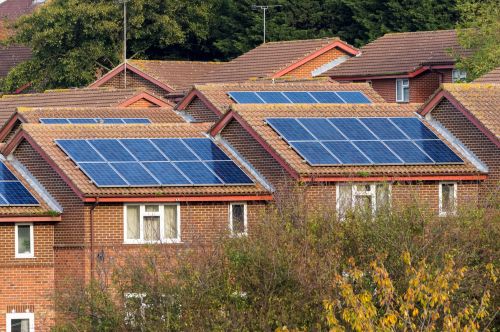
Answer: A MEES-focused audit identifies the measures that will most cost-effectively improve the EPC rating, such as LED lighting, heating and cooling upgrades, controls, insulation and renewables, and models their effect on the EPC using SBEM. This allows landlords to prioritise investment, plan works around lease events and avoid the financial penalties and letting restrictions of non-compliance. Where improvements are not cost-effective, the audit can support a valid exemption.

Question: What is ESOS and does it require an energy audit?

Answer: The Energy Savings Opportunity Scheme (ESOS) requires large UK organisations, those with 250 or more employees or turnover over £44 million and a balance sheet over £38 million, to carry out energy audits every four years. ESOS Phase 3 compliance was required by 2024 and Phase 4 by December 2027. Audits must cover at least 95 per cent of energy consumption and be signed off by a registered Lead Assessor, and organisations must now publish action plans and annual progress updates.

Question: What does an energy audit include?

Answer: A typical audit includes:

  • Analysis of energy consumption data and benchmarking
  • Site survey of building fabric and services
  • Assessment of controls, operating hours and maintenance
  • Identification of energy conservation measures
  • Estimated savings, costs and payback for each measure
  • EPC rating improvement modelling where required
  • Prioritised action plan
  • Recommendations for monitoring and verification

Audits may be carried out to BS EN 16247 for ESOS compliance.

Question: What savings can be achieved from a commercial energy audit?

Answer: Most commercial buildings can achieve savings of 10 to 30 per cent through a combination of low-cost operational measures and targeted capital investment. Lighting upgrades, controls optimisation and heating system improvements typically offer the fastest payback, while heat pumps, fabric improvements and renewables deliver the greatest carbon reductions over the longer term.

Question: Why choose Syntegra Group for a commercial energy audit?

Answer: Syntegra Group provides commercial energy audits, MEES compliance advice and ESOS assessments for offices, retail, industrial, leisure, healthcare and education buildings in London and across the UK. Our auditors are Chartered Engineers and accredited non-domestic energy assessors, so we can model EPC improvements accurately and provide realistic, costed recommendations.

We can also design and specify the recommended measures, produce updated EPCs and monitor savings, giving landlords and occupiers a complete route from audit to compliance.