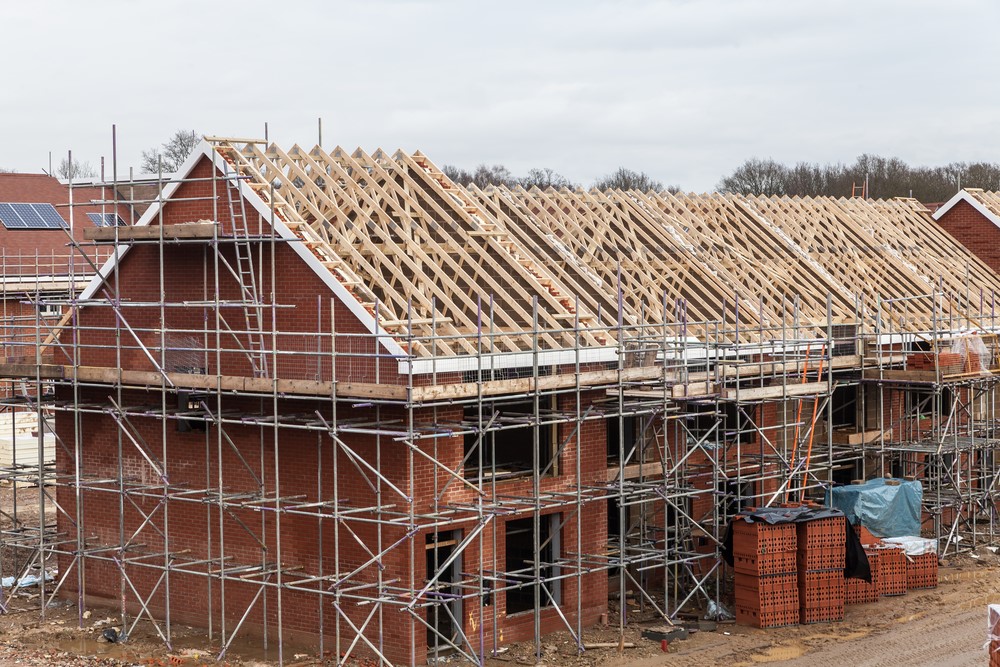
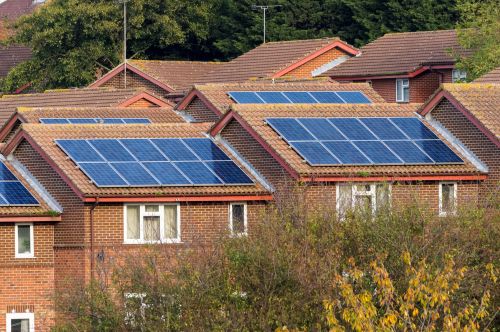
Seven out of ten construction projects now include sustainability targets, new research has revealed.

The number of net-zero projects and the achievement of sustainability targets in the built environment sector are increasing but costs are still preventing further improvement in figures.
The Sustainable Futures Report from built environment platform NBS, developed in collaboration with the Royal Institute of British Architects (RIBA) came as a result of a survey of nearly 600 professionals in the built environment to assess attitudes and practices around sustainability.
The report highlights the construction sector’s increasing focus on environmental sustainability, showing a significant improvement in both the number of projects with green objectives and the success rate in meeting environmentally focused goals, compared to previous years.
Key findings from the report include:
- 70% of construction projects now incorporate sustainability targets.
- 43% of industry professionals report successfully achieving sustainability goals, up from a third in 2022.
- A 13% increase in net-zero projects compared to the previous year’s report.
- 64% of professionals have worked on a net-zero project in the past year, a significant rise from 49% in 2022.
- 16% growth in the number of organisations measuring their carbon footprint, with 70% now tracking emissions.
- 14% rise in firms setting carbon reduction goals, with 76% now doing so, compared to 62% previously.
- 53% of companies have adopted carbon offsetting strategies, up from 38% in 2021.
Dr Lee Jones , NBS’ parent company Byggfakta Group’s head of sustainability, said: “The construction industry’s green momentum is building, with NBS reporting a small boost in net-zero projects and environmental targets being met.
“These are welcome figures and show that, whilst much more must be done, the sector is progressively aiming for a sustainable future.”
Only last December, the UK Green Building Council warned that the built environment in the UK was still not poised to reach net zero targets to achieve the nation’s 2050 commitment. The sector is thought to be responsible for 25% of the country’s greenhouse gas emissions.
And those warnings have been repeated more recently by the Climate Change Committee.
Despite recent advancements, the NBS and RIBA report identifies cost as the primary obstacle to achieving sustainability, a change from previous years when the lack of client demand was the prominent concern.
Dr Jones said: “Going forward, I would like to see legislation around net-zero building practices going further, covering embodied carbon as well as operational efficiency.
“For the industry to truly achieve sustainable outcomes, it needs the Government to take a stronger lead, supporting with policy and incentives.”
Syntegra MD Alan King said: “These figures offer some encouragement that the sector I taking its responsibilities seriously and all major players are pulling together to work collaboratively to tackle this crisis.
“I am proud to say that our primary focus in all that we do is centred on sustainability. There are environmentally friendly solutions available now across the sector and it is important that all related industries continue to lead the way for others to follow.”