
Brooke Mead Extra Care Housing: Energy Strategy Report Case Study

You are here: 

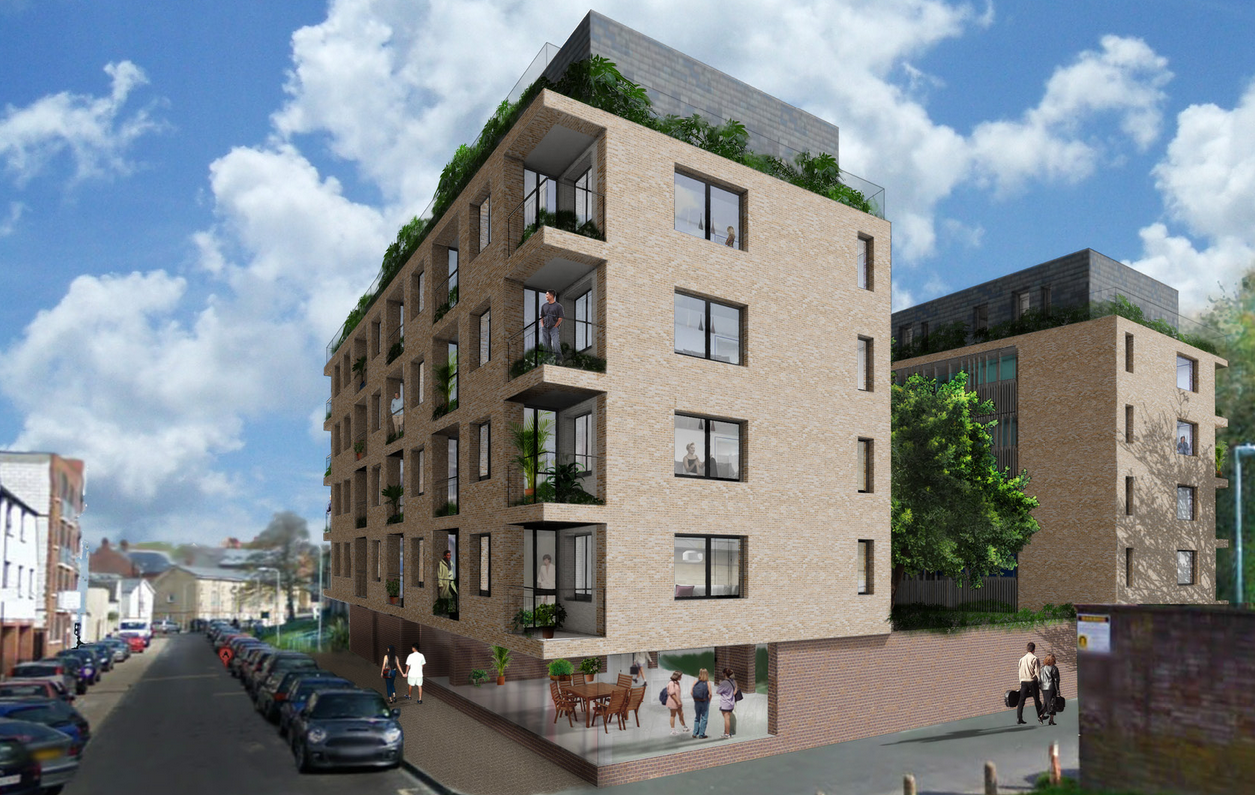
Brooke Mead CGI
Brooke Mead CGI

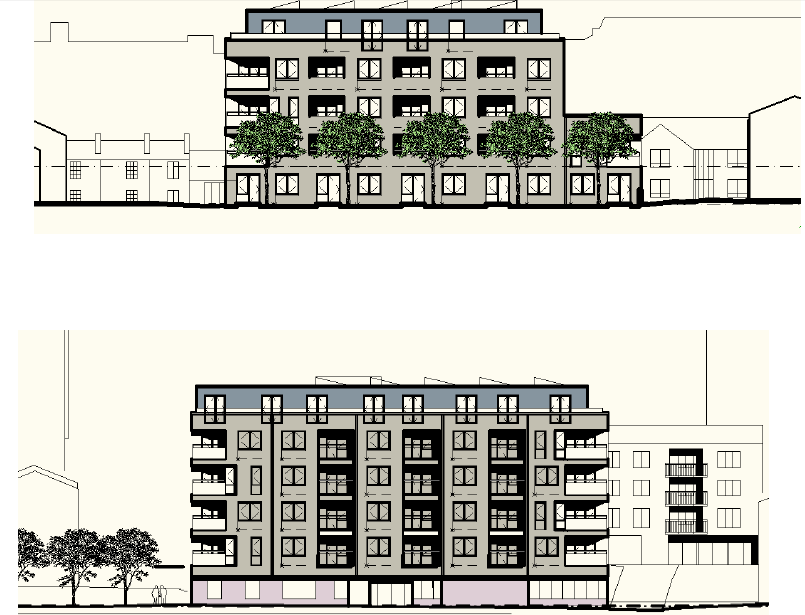
Syntegra Consulting Ltd have been appointed as Energy Consultants to produce an Energy Strategy Report for a mixed use development consisting of 44No. Flats and 1No. commercial unit (Extra Care Housing Community Space) for the scheme at Brooke Mead Extra Care Housing, Albion Street, Brighton, BN2.
 

This report will support the scheme design process, demonstrate Building regulations Part L compliance, intend to design to Code Level 4 in the Code for Sustainable Homes and intend to design to a BREEAM ‘Very
Good’ target rating in accordance with the planning policy requirements.

What are our latest insights and industry updates?

Our latest insights and industry updates include articles on the 2027 Deadline for future-proofing projects, an explanation of Part L 2026 and the Future Homes Standard for developers, a case study on Hillingdon Water Sports Facility, and reasons why new builds need heat pumps. These posts cover critical topics in sustainable development and energy strategy.

Frequently Asked Questions

1 What is the purpose of an Energy Strategy Report for a development like Brooke Mead Extra Care Housing?

An Energy Strategy Report outlines the proposed energy performance and carbon reduction measures for a development. For projects like extra care housing, it ensures compliance with energy regulations, identifies opportunities for renewable energy, and contributes to overall building sustainability.

2 What sustainability certifications or assessments can be integrated with an Energy Strategy Report?

The Syntegra Group offers various sustainability assessments that can complement an energy strategy. These include BREEAM, CIBSE TM65, LEED, Well Building, and Passivhaus design consultancy, all aimed at enhancing a project's environmental performance.

3 What specific aspects does an Energy Strategy Report typically cover?

An Energy Strategy Report generally covers a project's energy demand, carbon emissions, and proposed energy efficiency measures. It also assesses the feasibility of low carbon and renewable energy technologies to meet planning requirements and achieve sustainability goals.