Bioaerosol Assessment
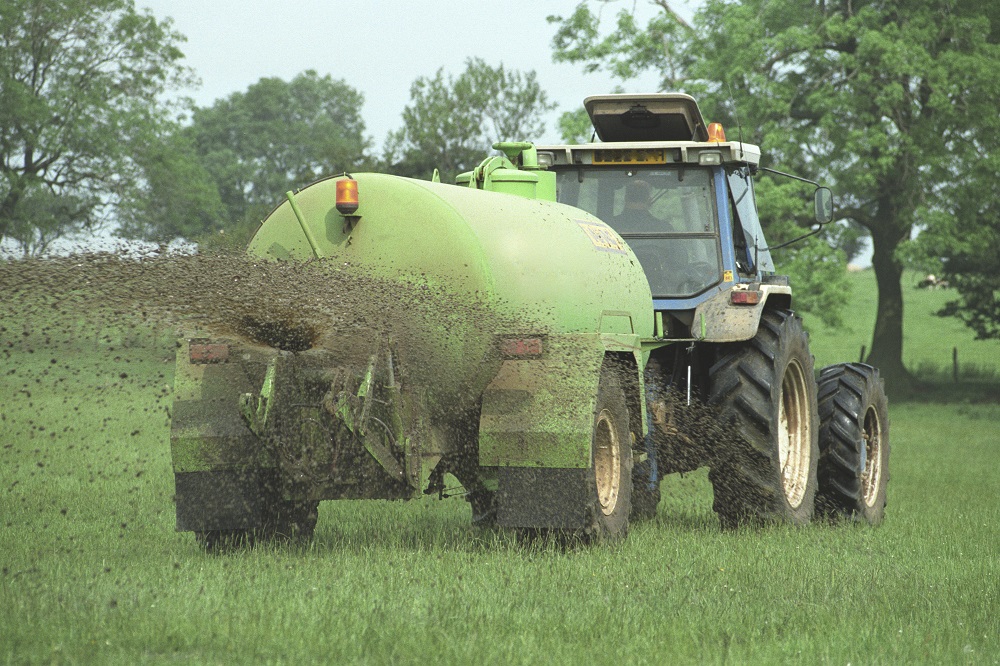
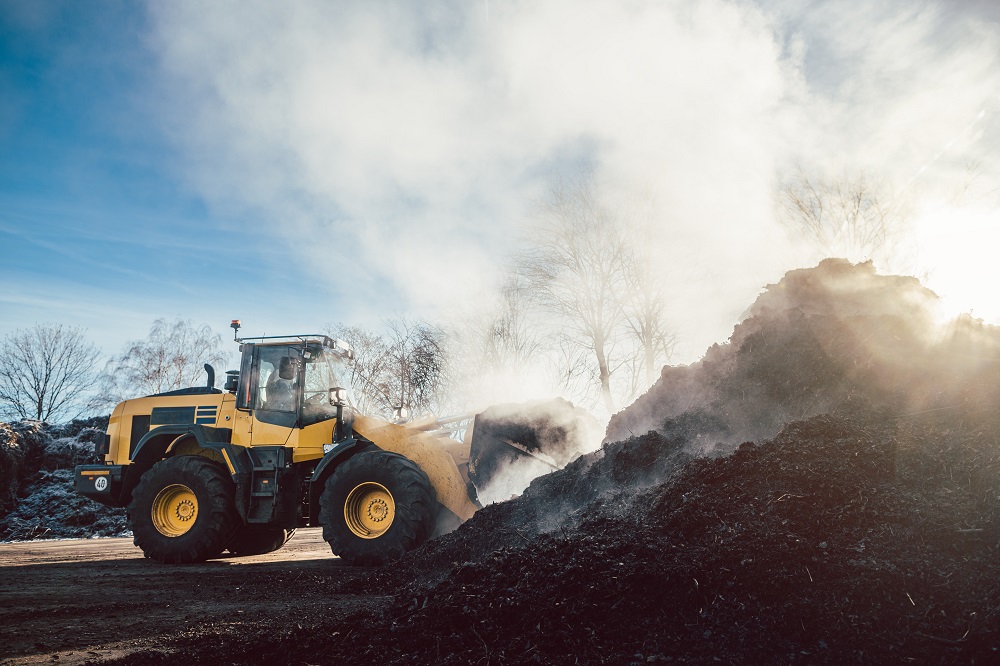
Processes that rely on microbial activity to break down waste materials and treat organic waste streams can generate emissions of bioaerosol. Also referred to as biological aerosol or organic dust, they are airborne microorganisms such as bacteria, actinomycetes, fungi, pollen, moulds, or viruses.
While, typically invisible to the human eye bioaerosols can penetrate deeply into our respiratory systems and can cause a range of health problems including gastrointestinal illness, bronchitis, and cancer.
The Environment Agency (EA) requires a Bioaerosol Assessment for all relevant processes where there is a workplace or dwelling within 250 metres.
Bioaerosol Generating Processes
- Composting
- Anaerobic digestion
- Mechanical biological treatment, e.g., biofiltration
How Do We Assess Bioaerosol Risks and Support Permit Applications?
We assess bioaerosol risks and support permit applications by considering both internal (workplace/employee) and ambient (outdoor/public) exposure. Our expertise in bioaerosol measurement and assessment techniques follows relevant standards and industry guidance to support planning and Environmental Permit applications, helping clients minimize exposure and protect people. This includes Ambient Bioaerosol Measurement using Andersen Microbial Impactors, Partisol Filtration Samplers, and IOM Personal Filtration Samplers, as well as Site Specific Bioaerosol Risk Assessment (SSBRA) written following EA Guidance, comprising Hazard Identification, Exposure Assessment, Risk Estimation, Risk Characterisation, Bioaerosol Dispersion Modelling, and Bioaerosol Mitigation Analysis.
- Ambient Bioaerosol Measurement
- Monitoring using Andersen Microbial Impactors, Partisol Filtration Samplers, and Institute of Occupational Medicine (IOM) Personal Filtration Samplers
- Site Specific Bioaerosol Risk Assessment (SSBRA)
- Written following EA Guidance on the evaluation of bioaerosol risk assessments for composting facilities
- Comprising:
- Hazard Identification
- Exposure Assessment
- Risk Estimation
- Risk Characterisation
- Bioaerosol Dispersion Modelling
- Bioaerosol Mitigation Analysis