
How Does Hygrothermal Assessment Support Climate Change Mitigation and Building Performance?

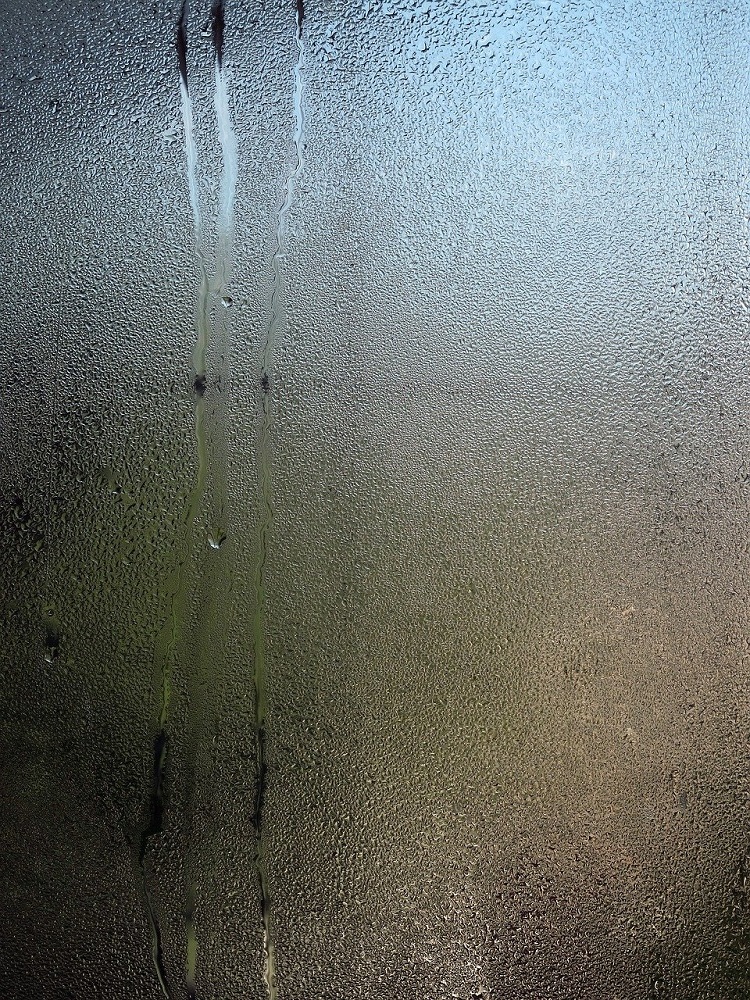
Hygrothermal assessment supports climate change mitigation and improves building performance by evaluating and managing the movement of moisture, heat, and airflow within a building's enclosed spaces. This service assesses how heat and moisture transfer mechanisms can lead to issues like condensation, mould growth, and material decay, which are detrimental to a building's structural integrity, energy efficiency, and occupant health. By identifying and mitigating these moisture-related problems early, hygrothermal analysis, conducted with advanced WUFI software, ensures buildings are more sustainable, energy-efficient, and long-lasting, thereby contributing to broader climate change goals. This dynamic simulation provides a realistic depiction of hygrothermal conditions, allowing for the design and retrofit of appropriate materials and construction techniques to prevent damage and extend building life.

NEED ASSISTANCE WITH YOUR PROJECT?

Our expert team of planning specialists, sustainability consultants and Chartered Engineers are here to help.

Get in touch with us today

Frequently Asked Questions

1 What is a hygrothermal assessment?

A hygrothermal assessment evaluates the movement of heat and moisture within building components. It helps identify potential risks such as condensation, mould growth, and material decay that can affect a building's performance and longevity.

2 Why is a hygrothermal assessment important for building projects?

It is crucial for preventing moisture damage, which can compromise structural integrity and indoor air quality. By identifying these risks early, the assessment helps ensure the creation of sustainable, long-lasting buildings.

3 What specific issues can a hygrothermal assessment help prevent?

This assessment helps prevent issues like interstitial condensation, surface mould formation, and the decay of building materials. It provides insights to mitigate these risks, leading to healthier and more durable structures.