Categories
Archives
- To future-proof projects starting in the next 24 months, it's crucial to understand the implications of the 2027 deadline. This article, published on July 23, 2026, delves into strategies and considerations for ensuring long-term project viability and compliance with upcoming regulations.
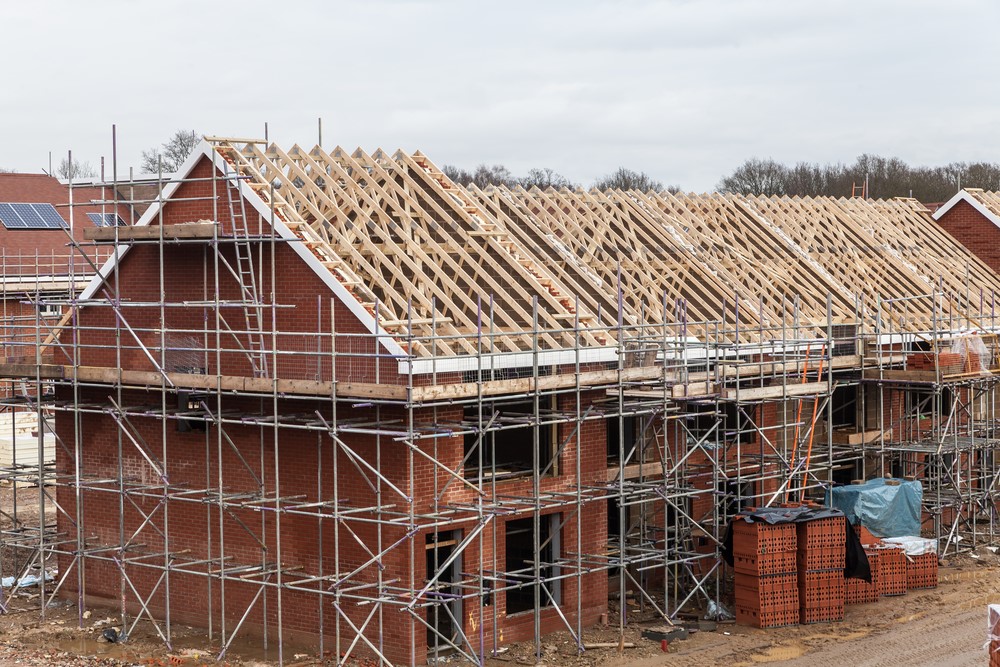
- The Future Homes Standard, specifically Part L 2026, means significant changes for developers. This article, published on July 23, 2026, explains the key aspects of these regulations and their impact on new residential projects.
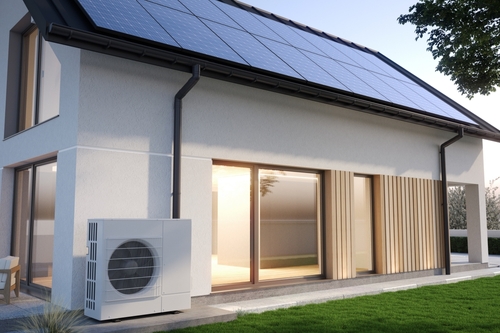
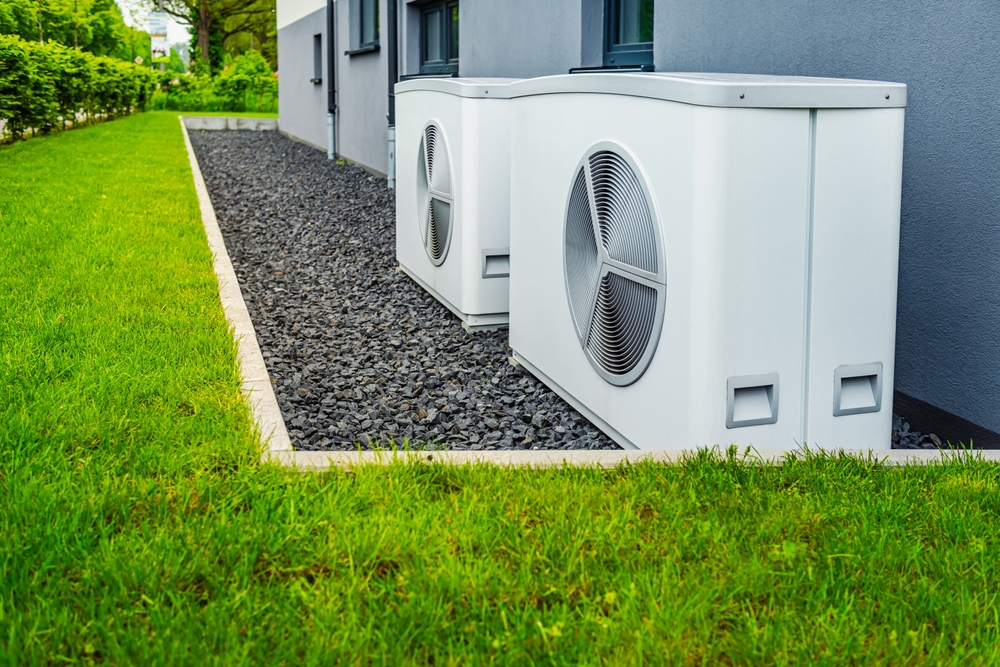
- New builds need heat pumps primarily for their energy efficiency and environmental benefits. This article, published on June 10, 2026, explains the crucial role heat pumps play in modern sustainable construction and meeting future energy standards.
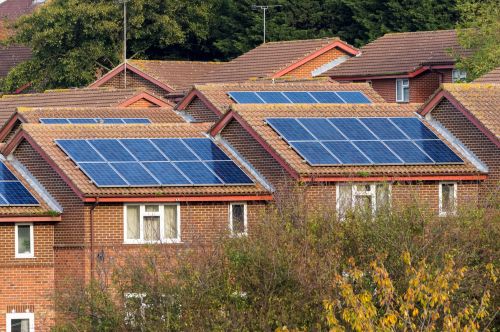
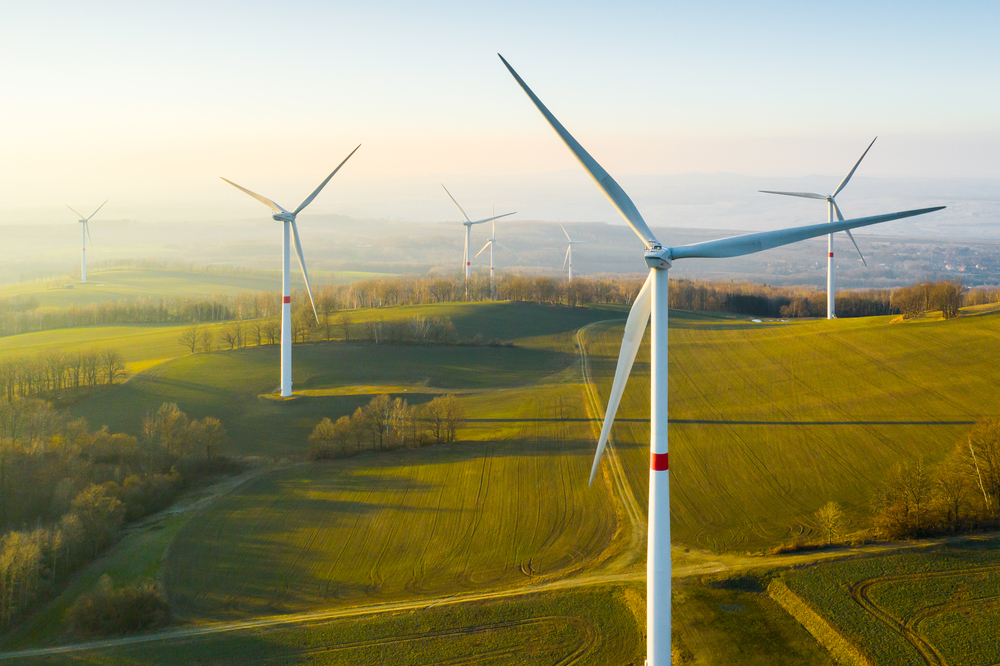
- The key renewable energy trends in Europe in 2026 include increased solar adoption and offshore wind expansion. This article, published on June 5, 2026, explores these developments and their implications for the European energy landscape.
- To understand renewable technology retrofit projects, you need to know about their planning, implementation, and benefits. This article, published on February 9, 2026, covers essential information for anyone considering or undertaking such projects.
- Engineering design for sustainability enables building smarter for the future by integrating eco-friendly practices and innovative solutions from conception. This article, published on February 3, 2026, explores how sustainable design principles lead to more efficient and resilient structures.
- Most startups struggle to scale due to lack of clear strategy or funding issues. This article, published on February 3, 2026, shares insights and lessons learned from helping businesses overcome these challenges and achieve breakthrough growth.
- Passive sustainable building design means utilizing natural elements to minimize energy consumption, and it matters for reducing environmental impact and operational costs. This article, published on January 12, 2026, explains the core principles and significance of this approach.
- The low carbon building solutions and innovations you should know include advanced insulation and renewable energy integration. This article, published on January 5, 2026, highlights cutting-edge developments in sustainable construction.
- The business case for BREEAM certification in data centres includes improved energy efficiency and enhanced market appeal. This article, published on December 24, 2025, outlines the compelling reasons for adopting BREEAM standards in data centre development.
- PropTech is heading towards significant integration with AI, which could transform the built environment by optimizing building operations and design. This article, published on December 23, 2025, offers a perspective on these future trends and their potential impact.
- Business leaders must understand that the real road to Net Zero in 2026 involves strategic investment and policy navigation. This article, published on December 23, 2025, offers a critical perspective on the essential steps and challenges for achieving net zero targets.
What is a Climate Change Resilience Statement and why is it important?
- A Climate Change Resilience Statement outlines an organization's strategy to adapt to and mitigate the impacts of climate change, and it is important for long-term sustainability and risk management. This article, published on December 15, 2025, details the components and significance of such statements.
- Sustainable construction services improve ROI by reducing operational costs and increasing asset value. This article, published on December 8, 2025, details the mechanisms through which green building practices lead to significant financial returns.
- The future of sustainable building design in urban developments involves smart technologies and circular economy principles. This article, published on December 2, 2025, explores emerging trends and innovations shaping green urban construction.
- WELL Certification supports occupant wellbeing by focusing on air quality, light, and comfort. This article, published on November 26, 2025, details the specific features and benefits of WELL standards in creating healthier indoor environments.
- The WELL Building Standard is a performance-based system for measuring, certifying, and monitoring features of buildings that impact human health and wellbeing, creating healthier workplaces by focusing on ten core concepts. This article, published on November 18, 2025, explains its principles and benefits.
- BREEAM Assessments are a leading sustainability assessment method for masterplanning projects, infrastructure, and buildings, and they are explained for developers by detailing the process, criteria, and benefits. This article, published on November 11, 2025, provides a comprehensive guide for developers navigating BREEAM certification.
- Whole Life-Cycle Carbon Assessment is crucial for greener developments because it evaluates the total carbon emissions from a building's construction, use, and demolition, enabling informed decisions for reduction. This article, published on November 3, 2025, explains its significance and methodology.
- The key benefits of BREEAM certification for projects include reduced operating costs and enhanced market value. This article, published on October 29, 2025, details how BREEAM standards contribute to more sustainable and valuable developments.
- Overheating can be prevented in new developments through effective shading, natural ventilation, and appropriate material selection. This article, published on October 21, 2025, explores design strategies and technologies to ensure thermal comfort in modern buildings.
- The UK Net-Zero Economy powers 10% growth and green jobs by stimulating investment in renewable energy and sustainable technologies. This article, published on October 13, 2025, explores the economic drivers and policy frameworks contributing to this significant expansion.
- Acoustic, noise, and vibration are often overlooked factors that can derail planning due to a lack of early assessment or underestimation of their impact. This article, published on October 7, 2025, explains how these environmental elements can critically affect project timelines and approvals.