

Assessing Circular Economy Implementation
To unlock the full potential of the circular economy, we must adopt a comprehensive assessment framework that evaluates sustainability and effectiveness. Key metrics include:
Material Flow Analysis
Mapping out how materials move through and are utilized within a system to identify opportunities for reducing waste and enhancing efficiency.
Lifecycle Assessment (LCA)
Measuring the environmental impacts associated with all stages of a product’s lifecycle, from raw material extraction to disposal.
Economic Performance
Evaluating cost savings and economic benefits derived from circular practices, such as reduced material costs and enhanced product longevity.
Tools like the Ellen MacArthur Foundation’s Circularity Indicators are essential for tracking progress and aligning business practices with global sustainability goals.
The UK Circular Economy: Targets and Timelines
The UK government has set ambitious targets to achieve a circular economy. By 2050, the goal is to reach a zero-carbon economy, with intermediate targets set for 2030 to reduce carbon emissions by at least 68% compared to 1990 levels. The London Waste and Recycling Board (LWARB) estimates that accelerating the transition towards a circular economy could generate a net benefit of up to £7 billion a year by 2036 and create 40,000 jobs.
Key Milestones in the UK Circular Economy Journey
2020
Introduction of the Circular Economy Package by the European Union, which the UK has adopted post-Brexit.
2025
Target to recycle at least 55% of municipal waste.
2030
The interim target to reduce carbon emissions by 68%.
2040
Aim to recycle 75% of municipal waste and reduce landfill use to less than 10%.
2050
Achieve a zero-carbon, zero-waste economy.
Software Tools to Assist Circular Economy Transition
Technology plays a pivotal role in enabling the transition to a circular economy. Several software tools and platforms are available to assist businesses and governments in this journey:
Circulytics by Ellen MacArthur Foundation
This tool provides companies with a comprehensive measurement of their circular economy performance, highlighting areas for improvement and opportunities for innovation.
Material Flow Analysis (MFA) Software
Tools like SimaPro and GaBi help businesses map and analyze material flows within their operations, identifying inefficiencies and opportunities for resource optimization.
Lifecycle Assessment (LCA) Tools
Software such as OpenLCA and Umberto allows companies to conduct detailed lifecycle assessments, evaluating the environmental impacts of their products from cradle to grave.
Digital Twin Technology
Platforms like Dassault Systèmes’ 3DEXPERIENCE create digital replicas of physical assets, enabling simulation and analysis to optimize resource use and reduce waste.
Blockchain for Supply Chain Transparency
Blockchain technology can enhance transparency and traceability in supply chains, ensuring materials are reused and recycled responsibly.
Overcoming Challenges, Seizing Opportunities
Transitioning to a circular economy is not without its hurdles. We face challenges such as:
Regulatory Barriers
Inconsistent policies can impede progress. We need clear, supportive regulations to drive systemic change.
Technological Limitations
Efficient recycling and reuse technologies are crucial but can be costly and complex to implement.
Market Dynamics
Shifting from a linear to a circular model requires changes in market structures and consumer behaviour.
However, within these challenges lie immense opportunities. Companies that embrace circular principles gain a competitive edge, enhance their sustainability credentials, and contribute significantly to global environmental goals.
The Path Forward: A Visionary Approach
To successfully transition to a circular economy, we must foster a culture of innovation and collaboration. Here’s how:
Engage Stakeholders
Build partnerships between governments, businesses, and communities to create a unified approach towards circular economy goals.
Invest in Technology
Support R&D for technologies that enable efficient recycling and reuse.
Policy Advocacy
Champion policies that incentivize circular practices and remove barriers.
Educate and Innovate
Promote awareness about the benefits of a circular economy and encourage innovative business models.
At Syntegra Group, we are committed to leading this charge. By integrating circular principles into our projects and services, we are building a future that is not only sustainable but also abundant with opportunities.
Case Studies: Circular Economy in Action
What is the call to action for embracing the circular economy?
London’s Circular Economy Strategy
The Greater London Authority has incorporated circular economy principles into its urban planning, focusing on waste reduction, resource efficiency, and sustainable design. The New London Plan serves as a model for other cities aiming to embed circular practices in their development strategies.
HS2’s Circular Economy Approach
The High-Speed Two (HS2) rail project is a prime example of how infrastructure projects can adopt circular economy principles. By identifying over 100 circular opportunities, HS2 aims to unlock value from resources throughout the project’s lifecycle, from construction to operation and decommissioning.
Who is Alan Wing-King, CEO of Syntegra Group?
Wienerberger’s Modular Building Products
Wienerberger, a leading brick manufacturer, has developed modular building products designed for disassembly and reuse. This approach not only conserves resources but also reduces waste and lowers carbon emissions.
Innovate UK’s Circular Design Sprint
Innovate UK has launched initiatives to engage businesses in circular economy design. Through workshops and collaborative projects, companies are encouraged to innovate and develop products with circular principles in mind.
Energy and Utilities
Aramco’s Circular Carbon Economy
Aramco’s strategy focuses on reducing carbon emissions by reusing and recycling carbon throughout its operations. This comprehensive approach integrates circular economy principles into the core of its business model, setting a benchmark for the energy sector.
National Grid’s Resource Optimization
National Grid is implementing circular economy practices by optimizing resource use and reducing waste across its operations. This includes innovative projects to reuse materials and enhance energy efficiency.
A Call to Action
The transition to a circular economy is more than a goal; it’s a visionary mission that requires boldness, innovation, and unwavering commitment. As we move towards a net-zero future, embracing circular economy principles will be key to achieving sustainable growth. At Syntegra Group, we believe in the power of circularity to transform industries and create a resilient, thriving world.
Further Reading:
Whole Life Cycle Carbon Assessment
Alan Wing-King
CEO, Syntegra Group
Alan Wing-King – Author Biography
Alan Wing-King is an accomplished entrepreneur, business mentor, and author specializing in net zero business growth and GreenTech. With over 25 years of experience in property and professional services, Alan has dedicated his career to promoting sustainability and guiding businesses towards environmentally conscious practices.
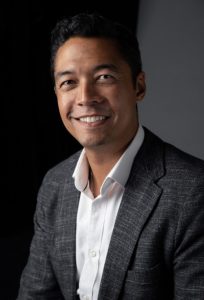
As the founder and CEO of Syntegra Group, Alan leads a multi-discipline engineering consultancy that maximizes development value and minimizes planning risk. Syntegra has become a leader in creating sustainable buildings, earning awards such as the Thames Valley Chamber ‘Sustainability Company Award’ and the Green Apple Awards for the Built Environment.
Alan also leads the Gravitas Property Group, focusing on premium residential projects. His deep understanding of GreenTech and sustainability has positioned him as a key figure in the transition to a more sustainable future.
He is a former member of the ‘Leaders’ forum of the UK Green Building Council (UK-GBC) and supports charitable initiatives like the Tony Wing-King STEM bursary in partnership with Born In Africa (BIA).
Alan holds an MSc in Intelligent Buildings from Reading University and a BEng(Hons) in Engineering Science and Technology from Brunel University. Recognized with multiple awards, Alan fosters a collaborative environment where businesses can thrive and positively impact the world.