On the 20th January, the 7th annual edition of the World Energy Issues Monitor entitled Energy price volatility: the new normal was published by the World Energy Council. This report – viewed by over 1,000 energy leaders from over 80 countries – states that energy price volatility and the future of a climate framework are the top critical uncertainties concerning energy leaders.
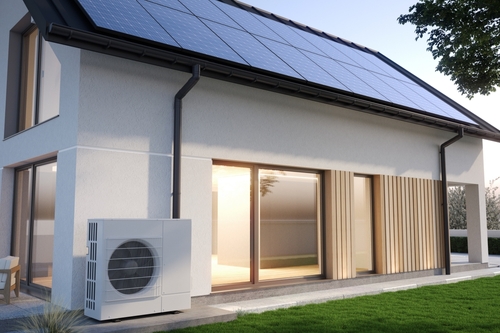
Renewable energy technologies are keeping energy leaders busy as their cost continues to reduce and, as a result, their participation in the energy mix increases. However, these technologies have put a strain on the energy system. In some locations there are no viable solutions to storing this energy and therefore the grid in these sites need to be able to cope with the large shares of intermittent forms of energy – something they are not able to do. Exacerbating this problem further is the issue that the grid in these locations also lack efficient market signals to deliver back-up capacity or storage.
In addition to this, the recent fall in oil prices to its six-year low is a particular cause of concern for energy leaders.
The report also looks to the future and perceives the next uncertainty as establishing a coherent climate framework, particularly ahead of the Conference of the Parties meeting (COP-21) in Paris and ahead of a global climate agreement being reached at the end of this year. This matter could ultimately lead to the presence or absence of a significant carbon price.
Energy leaders also believe that the pressure has increased on countries who are large carbon emitters as a result of the agreement between China and the US in November 2014 to reduce their carbon emissions. The position and approach of those countries guilty of large carbon emissions to reducing the emissions are creating a large question mark for investors.
Finally, the report finds that energy leaders are being kept busy by the development of electric storage and also the continuing quest for energy finance. These issues will be influenced by the future design of market mechanisms and the future of energy subsidies.