Key Factors Influencing Solar Thermal System Performance

You are here: 

Quick Answer

The performance of solar thermal systems is primarily influenced by factors such as solar irradiance, ambient temperature, and the specific design of the solar collector. Higher levels of solar irradiance directly increase the energy absorbed, while lower ambient temperatures can reduce heat losses, thereby improving system efficiency. Additionally, the type and orientation of the solar collector, whether it's a flat-plate or evacuated tube, significantly determine its effectiveness in converting sunlight into usable thermal energy.

It is important to understand the factors that influence the performance of solar thermal systems as they can be an ideal way to provide extra hot water to supplement energy delivered by heat pumps or boilers.  A solar system can therefore be designed to deliver hot water reliably and meet the requirements of the household.  The amount of hot water provided by solar panels varies according to geographical location, the season, the roof orientation, pitch and inclination and the size of the panel and types of panel used.  The UK receives 900-1200KWhrs of solar energy per m2 of land per year, a well designed solar thermal system can provide up to 60% of the typical hot water demand over a year and deliver 100% during peak summer days.

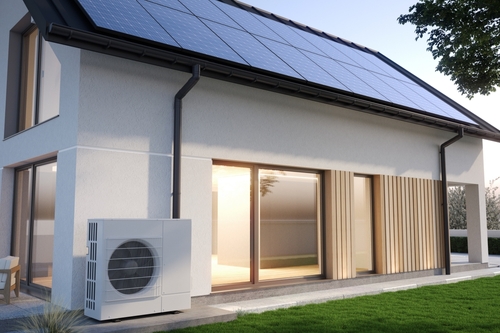
There are two common types of solar panels, flat plate collectors are the most flexible and currently represent 80% of UK sales, they can be integrated into the profile of the roof for a more subtle installation.  The second type is evacuated (or vacuum) tubes, they have slightly higher efficiencies but are generally more expensive per net collector area.

Whatever type of thermal system is chosen, the angle of inclination is key to their effectiveness.  Ideally, in the UK, they should be installed at an angle of 30-40 degrees facing south to ensure maximum exposure, conveniently, most tiled roofs in the UK are at this angle of installation.  For flat roofs and open spaces, A-frame fixings usually have different fixing points and can often be adjusted to the desired 30-40 degrees.

The Domestic Heating Compliance Guide and SAP Appendix H are useful references for calculation purposes and should be followed to ensure compliance with Building Regulations.

Latest Posts

Frequently Asked Questions

1 What are the primary factors that influence the performance of solar thermal systems?

The article "Factors influencing the performance of solar thermal systems" likely explores various elements that impact the efficiency and output of these systems. These typically include environmental conditions like solar irradiance and ambient temperature, system design choices, and ongoing maintenance practices. Understanding these aspects is crucial for optimizing system effectiveness.

2 How can building professionals optimize the efficiency of solar thermal systems in their projects?

The blog post would likely discuss strategies for maximizing solar thermal system efficiency, which is a key concern for building professionals and developers. This could involve selecting appropriate collector types, ensuring correct system sizing and installation, and implementing smart control systems. Such optimizations contribute to more sustainable building energy solutions.

3 Why is understanding solar thermal system performance important for sustainable building energy solutions?

Understanding the performance factors of solar thermal systems is vital for integrating them effectively into sustainable building designs. The article likely highlights how efficient solar thermal systems contribute to reduced reliance on fossil fuels, lower energy consumption, and decreased carbon emissions. This knowledge empowers developers and consultants to make informed decisions for greener buildings.