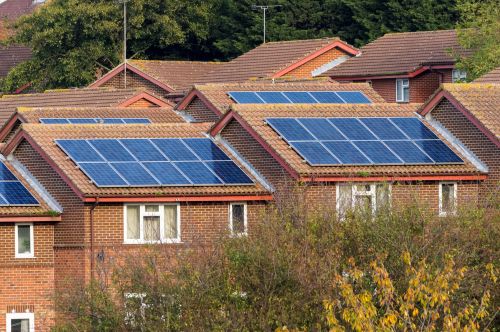
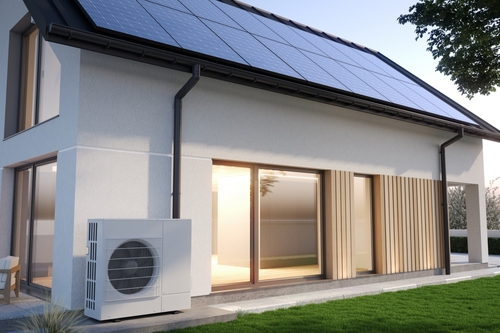
G20 nations are failing to retrofit the built environment with energy and carbon saving measures at an appropriate pace to meet the Paris Agreement net zero targets.

That is the key finding from the Global Retrofit Index which assesses the progress G20 countries are making to reduce emissions from existing buildings.
With 80% of the buildings that will be around in 2050 in developed countries already built, the report warns that these nations are failing to keep up with the required retrofit rates to meet net-zero.
The International Energy Agency (IEA) recommends 2.5% of existing buildings a year should be subject to retrofit measures but the levels currently sits at just 1%.
The IEA claims that energy retrofits can help reduce the energy demand of buildings by up to two-fifths meaning retrofitting 20% of buildings across G20 nations in the next five years could reduce emissions from heating by around 20%.
But based on current forecasts, the energy intensity of the built environment will need to drop five times quicker over the next decade than it did between 2015 and 2020 – the equivalent of a 50% cut in direct emissions by 2030.
Report author Michael Lord said: “We developed the global retrofit index to benchmark the progress made by different countries in reducing emissions from their building stock. Our findings clearly show that we urgently need to significantly increase the retrofit rate globally and ambitious government action will be vital to support the building and construction sector.
“To achieve the level of reduction needed, the energy performance of existing building stock will need to be significantly improved and deep energy retrofits are needed to achieve the deep cut in emissions we must make. In countries with older building stocks, the need for retrofits will be even greater.”
Germany is currently the best-performing G20 nation regarding retrofits, followed by the Netherlands, France and the UK. Among the G7 members, Canada, USA and Japan ranked lowest.
The UK’s retrofitting industry needs to grow by ten times its current pace if it is to decarbonise its housing stock in line with wider net-zero emissions target, separate research has revealed.
The paper, published by Bankers for Net Zero and the Green Finance Institute, claims that an estimated 29 million homes need to be retrofitted with low-carbon solutions if the UK is to meet net-zero emissions by 2050.
Heating and powering homes make up 23% of the UK’s carbon footprint.
The retrofit industry consists mainly of SMEs and this sector will need to grow by at least ten times current levels to deliver the required levels of retrofits.
Syntegra Managing Director Alan King said: “We have always known the targets would be challenging but these reports should be a wake-up call to UK businesses.
“There is a lot that needs to be done and companies should realise it’s in everyone’s interests to undertake the necessary upgrades, many of which are not particularly costly and, in the long run, will save them money through efficiencies.”