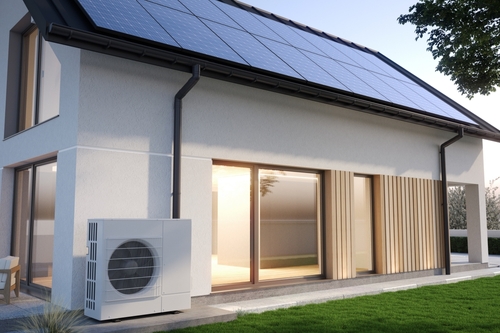
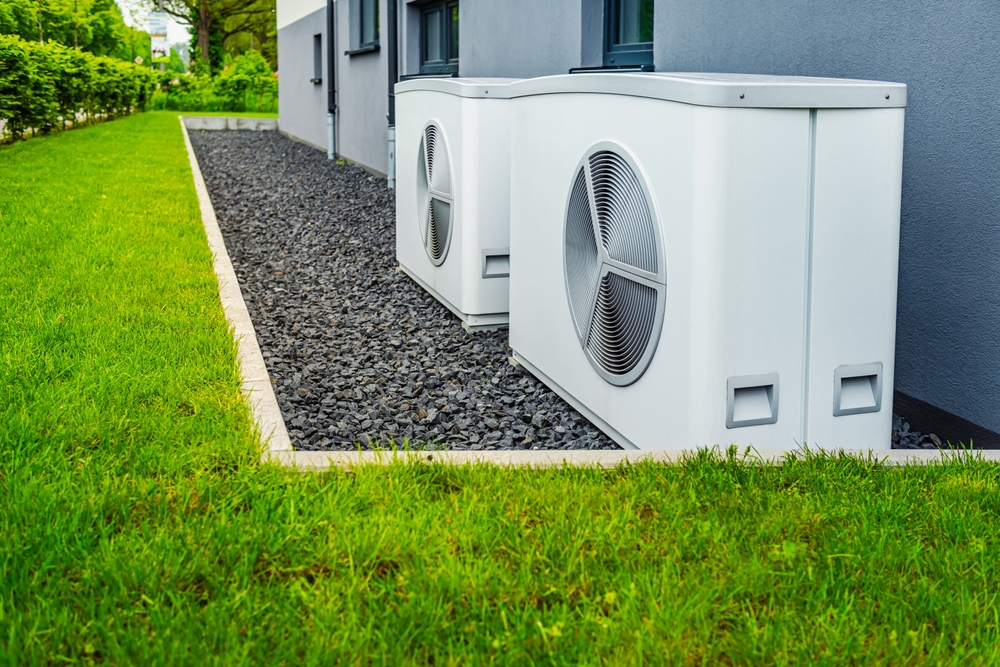
The Renewable Heat Incentive (RHI) provides annual subsidy payments over 20 years for the generation of heating by renewable technologies at a level designed to remove the barriers of installation. Those generating heat and hot water from heat pumps, solar-thermal solutions, biomass and bio-methane boilers can be paid up to 8.5p/kWh under the RHI with the annual subsidy lasting for 20 years. According to the Governments set tariff levels, users will earn a return of around 12% per anum but initial industry estimates are closer to 6 to 9%. This could still provide a return on investment within 5 to 10 years.
According to an article in MBS magazine by Yan Evans of Ener-G Switch2, whether the installation is simple or complex, generators must ensure that their heat meters and other measurement equipment comply with Class 2 accuracy requirements, as specified in the 2004 Measuring Instruments Directive (MID).
Simple installations, comprising the heat source and where heat use is within the same building require generators to meter only the heat generated by the installation. Ofgem will require certain declarations of metering standards with complex installations as well as details of the model and confirmation that metering has been installed correctly. A compliant metering strategy should be designed into the heat scheme in tandem with the technology selection, this will be key to delivering maximum revenue on time and in full.
Without RHI heating tariffs can be 15 to 30% higher than a development with boilers reliant on natural gas. The RHI could be viewed as the key to setting a balance on the development between achieving the carbon reduction agenda and delivering affordable heat, crucial in the social-housing sector.
Syntegra Consulting’s experienced team has the skills and the resources to develop a bespoke Energy Management System for our clients. Syntegra can also identify and design engineered solutions that will improve energy efficiency and reduce costs. For more information on Syntegra Consulting Environmental Consultancy Services, please go to https://syntegragroup.com/services-we-offer/environmental-consultancy-services/