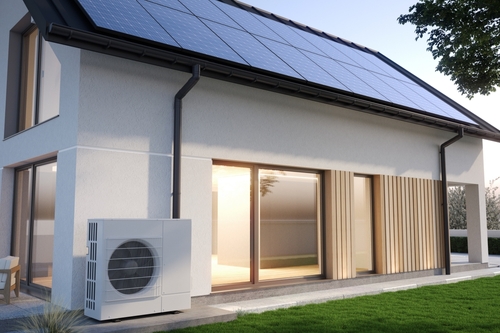
Undoubtedly, buildings consume roughly a third of total energy and thus, actions in order to minimise this energy consumption should be taken. Implementing energy efficiency in buildings could be one parameter. However, many are thinking of the cost and the pay-back period which at the moment is required to be up to two years.
I t has been estimated by the Rhodium Group on behalf of United Technologies, that investing in improvements that lower energy use by 30% per year would deliver an internal rate of return of 28.6% over a 10-year period. As such, there is a need to increase investment in building energy efficiency projects.
At the moment, search is taking place in order to find effective financing solutions. This could be upgrades via lease, long-term deals via energy services agreements (ESAs) or collaboration with third-party energy service companies (ESCOs), financing via utility bill or via property tax assessment (eg. Property Assessed Clean Energy Agreement, known as PACE).
Before that, action agenda should include promoting the development of standardised energy investment products, developing supporting regulations and improving the use of data among property owners in energy efficiency initiatives. In addition, expanding awareness of the potential of energy investment could be proved more important regarding promoting energy efficient implementation in the market-business arena. For example, energy efficiency improvements in a building should directly add value and monetising such value is a top action item to resolve the challenges in the market.
Summing up, there is no ‘silver bullet’ solution to advancing investment in building efficiency. The long-term solutions are straightforward and interrelated: streamline the assessment and execution of such projects; and scale up the volume of projects that can be executed by lowering transaction and financing costs.
What is clear is that whether it’s the owner, the CEO, the financier, or the regulator, each stakeholder must immerse themselves in the metrics and financial models for action to happen. Only with simultaneous progress on all fronts by the various different players can the promise of large-scale building energy efficiency investment be realised in the near future.