SBEM (or Simplify Building Energy Model) is a software tool developed by BRE for the Department for Communities and Local Government and provides an analysis of a building’s energy consumption.
SBEM is used for non domestic buildings in support of the National Calculation Methodology (NCM), the Energy Performance of Buildings Directive (EPBD) and the Green Deal.
SBEM works out that the Building Emission Rate (BER) in terms of kgCO2/m2 does not exceed the Target Emission Rate (TER) set by regulation whether this is for an office, hotel, school, industrial warehouse, nursing home or a universities halls of residence.
The tool determines CO2 emission rates for new buildings in compliance with Part L of the Building Regulations (England and Wales). It is also used to generate Energy Performance Certificates for non-domestic buildings on construction and at the point of sale or rent.
Elements such as building fabric, thickness of insulation, double glazing and efficient boilers have massive effects on SBEM ratings regardless of consumption pattern and building structure and fabric but SBEM certificates are created based on building fabric and systems only.
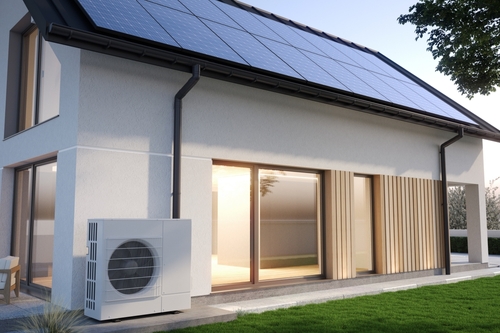
Fuels such as bio gas or bio diesel have a minimum effect on the environment and don’t produce much CO2 as fossil fuels. Also some other sources of energy such as PV panels or wind turbines don’t produce any CO2 emissions at all. As a result buildings with these kinds of energies will have a much better SBEM rating. There are some other facts which some people are not fully aware of; for example electricity produces twice as much CO2 as gas because the electricity we use comes from power plants which use fossil fuels.
To summarise, factors effecting SBEM rating are;
- Building fabric
- U value of the insulation and windows
- Type of fuel
- Efficiency of the systems
In order to get a better SBEM rating in SBEM certificates you have to first use cleaner, greener fuel, secondly we need to be generous in using insulation’s and opting for A-rated boilers. This shows us that the higher the SBEM rating the higher the reduction bills, so it is not just a report it is also helping you to reduce energy costs and consumption.