The UK Government has announced a £1.5bn fund for local authorities and social housing providers to improve energy efficiency in 130,000 properties.
The funding is being made available through two existing ‘Help to Heat’ schemes – the Home Upgrade Grant (HUG) and the Social Housing Decarbonisation Fund. HUG is receiving up to £700m and the remaining £800m will be allocated to the Social Housing Decarbonisation Fund.
HUG provides Government money to local authorities, which are then required to use it to invite households to book in for replacements to their heating systems and wall and roof insulation.
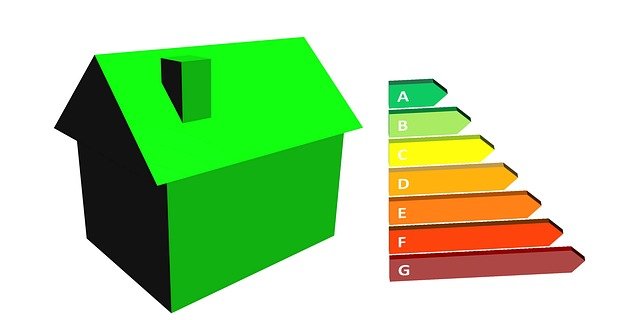
Criteria for HUG applications mean homes should not be connected to the gas grid and should have an EPC rating of D or lower, thus targeting people most of risk of poor health due to poorly heated homes.
HUG was first announced in early 2021 and the initial funding round worth £67m was released earlier this year. In total, the Government has pledged to provide at least £950m for HUG.
The Social Housing Decarbonisation Fund provides funding to social housing providers looking to upgrade existing properties to EPC band C or higher. Funding can be used to fit insulation, replace windows and install technologies such as heat pumps or solar panels. Housing providers match fund the Government allocation.
It is estimated that homes which have already benefitted from the Fund are saving an average of £400 on their annual energy bills.
Currently, around 46% of the UK’s housing stock is meeting EPC C or above, compared to just 9% in 2008. The amount of social housing meeting this requirement has risen by 18% to 66% in the same timeframe, according to the Government.
Business and Energy Minister Lord Callanan said: ‘The cheapest form of energy is the energy we do not use. Our Help to Heat schemes are already bringing real benefits to tens of thousands of low-income households across the country by improving the energy performance of their homes and saving them hundreds of pounds on their bills.’
The Government has stepped in to cap domestic energy prices below the October price cap originally proposed by regulator Ofgem, freezing it at £2,500 for two years.
An energy bill relief scheme was launched for businesses meaning that they will pay the same price per unit of electricity and gas as domestic energy users representing, for many organisations, a 40-50% reduction in bills.
While the freezes were welcome, many key figures across the green economy have expressed disappointment that the Government was adopting a short-term approach whereas they would have opted for a national energy efficiency scheme open to a broader range of homes and other buildings.
Schneider electric’s vice-president for home and distribution in the UK and Ireland, Nico Van De Merwe, said: ‘The latest government scheme to help reduce fiscal pressures for low-income households across the UK is a vital step towards ensuring that the most vulnerable in our society are taken care of in the lead up to winter. Energy efficiency must be accessible to all, especially when the benefits of such can drastically reduce household bills and bolster the health of our planet.
“Today, on average, 86% of energy is used on heating and hot water alone. Therefore, as a short-term solution, we must continue to give greater support to help the adoption of these fundamental home solutions, like smart heating systems and heat pumps. In the long term, we want to see a rollout of home energy management systems as these can help save up to 50% on energy costs. Housing developers, local authorities, housing associations and businesses must work closely together to build energy-efficient homes that are more economical and sustainable for residents, without compromising on comfort.’