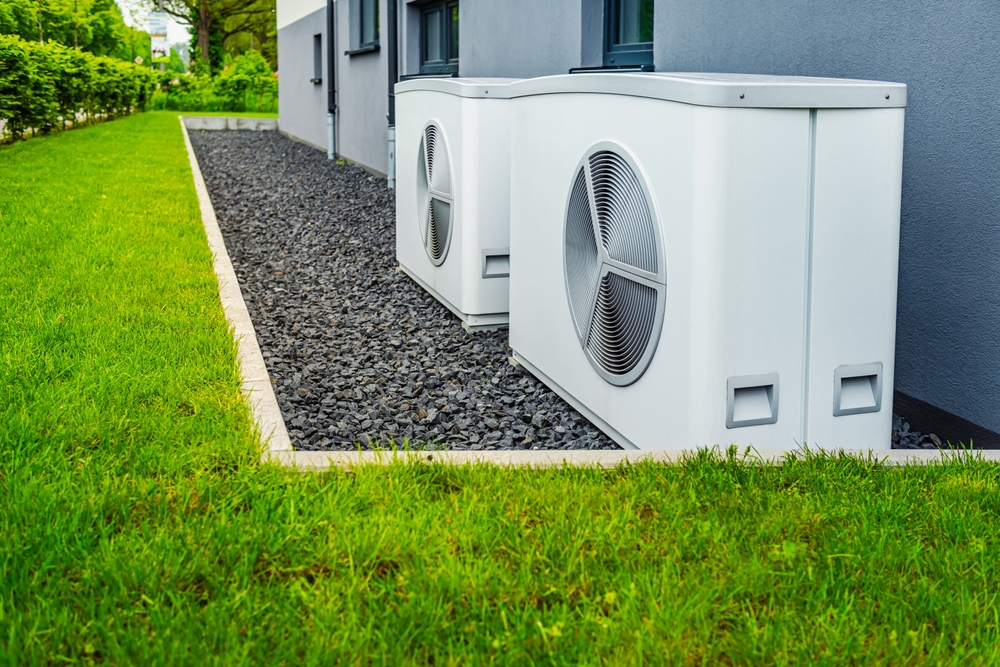
A pilot project has been launched to inject zero-carbon hydrogen into an existing gas network.
The HyDeploy project is injecting hydrogen into Keele University’s existing natural gas network, supplying 30 faculty buildings and 100 domestic properties and results in hydrogen accounting for up to 20% of the gas mix in the network. The team responsible for the pilot claims this is the highest proportion being tested in Europe at present, given that existing UK legislation prevents hydrogen accounting for more than 0.1% of the national grid mix at any time.
The pilot is examining the practicalities of increasing hydrogen in the gas mix, including cost, safety and ease of supply. If successful and rolled out across England, researchers at Keele estimate it could mitigate the emission of six million tonnes of CO2e emissions annually.
Backed by Ofgem’s Network Innovation Competition, HyDeploy is being led by Cadent, the largest natural gas distribution network in the United Kingdom, in partnership with Northern Gas Networks, Keele University, the Health and Safety Executive (HSE) Science Division, ITM-Power and Progressive Energy.
Cadent’s chief safety and strategy officer Ed Syson said he hopes the trial will “pave the way for a wider roll-out of hydrogen blending”, which could “enable consumers to cut carbon emissions without changing anything that they do” and “prove to be the launchpad for a wider hydrogen economy”.
“It is impossible to overstate the importance of this trial to the UK – this is the first-ever practical demonstration of hydrogen in a modern gas network in this country,” Syson said. “Urgent action is needed on carbon emissions and HyDeploy is an important staging post on that journey in the UK.”
Keele University’s deputy vice chancellor Professor Mark Ormerod said the University team are “delighted “to use their campus as a “genuine living laboratory” for new low-carbon technologies.
In 2016, the Committee on Climate Change (CCC) estimated that heating and hot water for homes accounted for 15% of the UK’s carbon footprint.
According to Cadent, when heat for business and heavy industry is included – and growth over the past three years accounted for – the figure is likely to be closer to 33%.
The UK currently has a target of ensuring 20% of heat is generated using renewables by 2020 – which it’s set to miss – and with the new 2050 net-zero deadline looming, Ministers are facing increasing pressure to implement better low-carbon heating measures.
* In 2015, world leaders agreed to 17 goals for a better world by 2030. https://www.globalgoals.org/ These goals have the power to end poverty, fight inequality and stop climate change. Guided by the goals, it is now up to all of us, governments, businesses, civil society and the general public to work together to build a better future for everyone. Syntegra’s work is underpinned by many of the goals.
Global Goal 7: Affordable and Clean Energy
Renewable energy solutions are becoming cheaper, more reliable and more efficient every day.Our current reliance on fossil fuels is unsustainable and harmful to the planet, which is why we have to change the way we produce and consume energy. Implementing these new energy solutions as fast as possible is essential to counter climate change, one of the biggest threats to our own survival.
Target 7.2:
How will the global percentage of renewable energy increase?
By 2030, the global energy mix aims to substantially increase the share of renewable energy. This target is part of broader efforts to transition away from fossil fuels and counter climate change, aligning with Global Goal 7 for Affordable and Clean Energy.