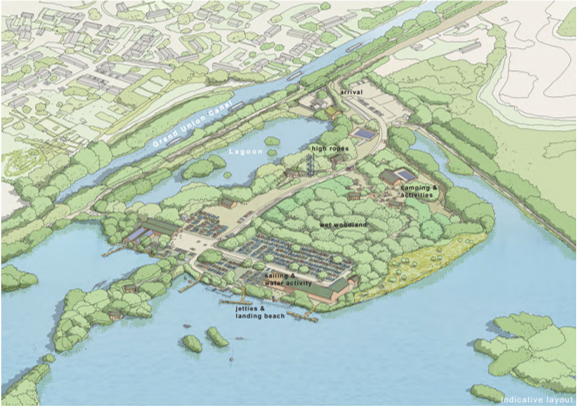
Dark, dismal January, many of us just want to retreat under our duvets and similarly many of our native species are doing the same – all tucked away waiting for Spring.
Many of our clients often ask if they must wait to have a preliminary ecological appraisal (PEA) carried out on their site during the winter period. Truth is a PEA can be carried out anytime of the year, although sub-optimal for botanical species, we ecologists can still gain an idea of the habitats on site and most importantly if they host suitability for protected species. Getting an idea of what surveys might be required come the optimal survey season (please follow this link to see our calendar) means you can get a head start and avoid timely and costly delays to your proposed development.
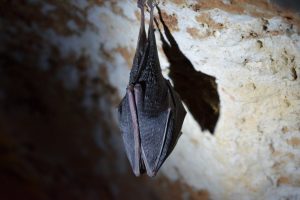
Preliminary roost assessments (PRA) can also be carried out anytime of the year. Carrying out surveys during the winter still allows ecologists to gain an idea of a building’s overall potential and or signs of roosting bats. Winter surveys might also be required if the building hosts hibernation potential. Tree surveys – also known as ground level tree roost assessments – are best conducted during the winter months as there are clearer views of trunks, branches and bark without foliage obstructing views of these areas.
Some surveys are optimal in the late autumn to early spring period. Badger surveys are ideal in the winter months as the vegetation die back leaves signs readily assessed and noted by the ecologist compared to the later spring to early autumn period. Badgers are active during the winter period and cubs are often born from January onwards.
If you wish to discuss any of your sites or proposals, please get in touch and a member of our ecology team will be happy to conduct a review for you.
* In 2015, world leaders agreed to 17 goals for a better world by 2030. https://www.globalgoals.org/ These goals have the power to end poverty, fight inequality and stop climate change. Guided by the goals, it is now up to all of us, governments, businesses, civil society and the general public to work together to build a better future for everyone. Syntegra’s work is underpinned by many of the goals.
Goal 15 states: A flourishing life on land is the foundation for our life on this planet. We are all part of the planet’s ecosystem and we have caused severe damage to it through deforestation, loss of natural habitats and land degradation. Promoting a sustainable use of our ecosystems and preserving biodiversity is not a cause. It is the key to our own survival.
15.5: PROTECT BIODIVERSITY AND NATURAL HABITATS
Take urgent and significant action to reduce the degradation of natural habitats, halt the loss of biodiversity and, by 2020, protect and prevent the extinction of threatened species.