Syntegra Consulting has successfully undertaken the Air Conditioning Inspection of the ADECCO office in Bouverie Street, London. Syntegra undertook the ACI inspection of the Bouverie Street office which is an air conditioned building.
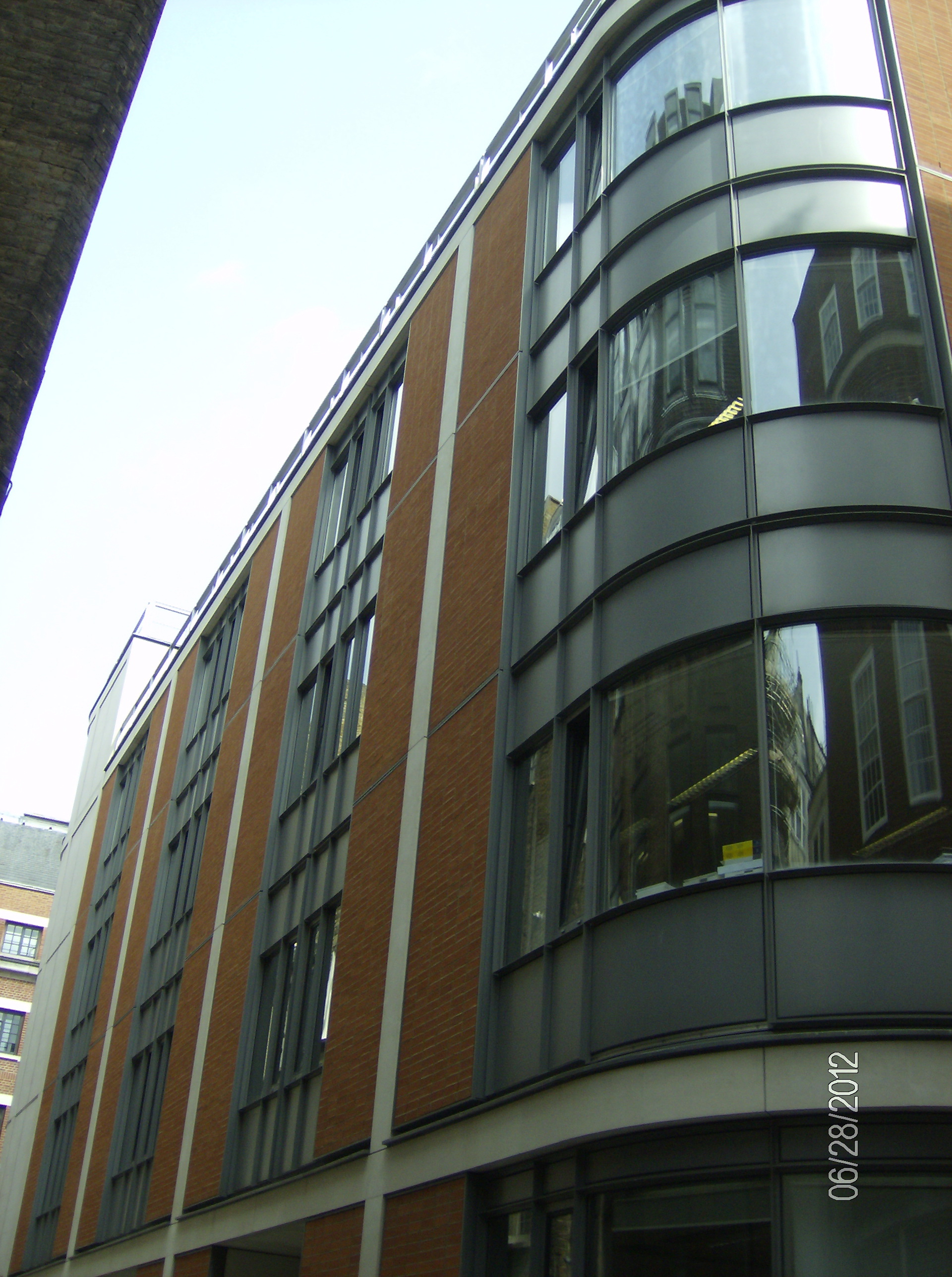
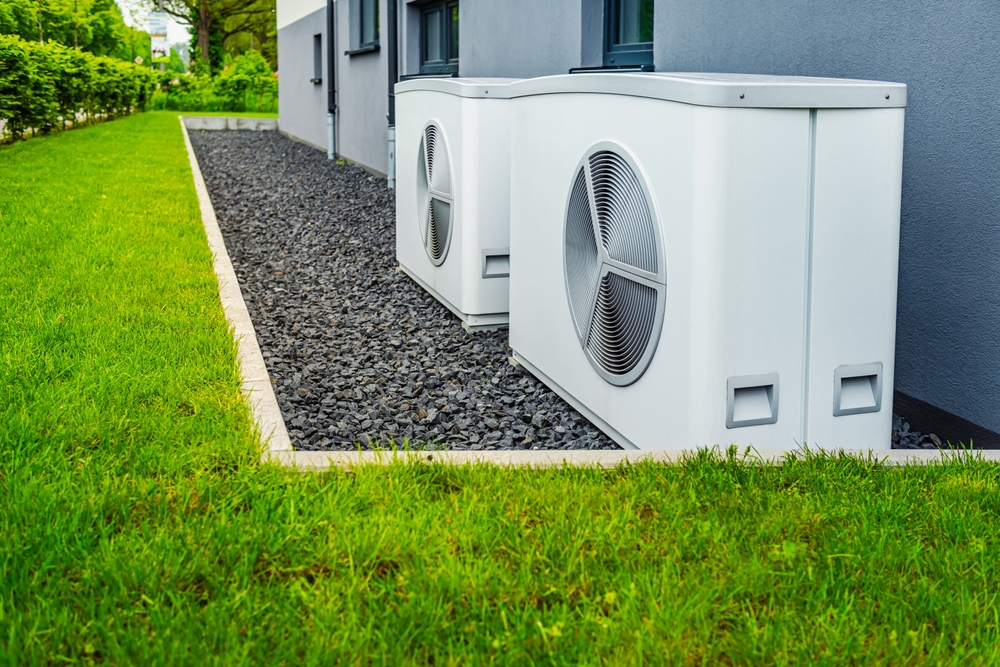
The undertaking of an ACI (Air Conditioning Inspection) is a legal requirement according to article 9 of the Energy Performance Building Directive in England and Wales (EPBD). Air Conditioning Inspections are mandatory for all buildings with installed systems with rated cooling output greater than 12kW. The air conditioning inspection consisted of a site inspection and the production of the Air Conditioning Inspection report, which presents the site inspection’s findings and the recommendations for improving the system’s energy efficiency in order to save energy and reduce carbon emissions.
The Bouverie Street building inspected lies under the complex cooling systems assessment Level 4, since it is air conditioned by an AHU – chilled water – fan coil system.
Syntegra consulting has managed to identify areas of improving the energy efficiency further of the building’s air conditioning system. Recommendations were made in upgrading AC controls and control methodology. In addition, Syntegra investigated in improving the AC system’s efficiency and the building’s overall energy performance further, by recommending the use of LED lighting. LED lighting is the most energy efficient lighting technology compared to conventional technologies. Furthermore, LED lighting generates minimum heat, which helps reducing a building’s cooling load from lighting. Therefore, LEDs not only reduce the lighting electricity cost, but also the AC (air conditioning) cost of electricity due to reduced heat gains (cooling load). In addition, Syntegra managed to present solutions involving energy/heat recovery systems.
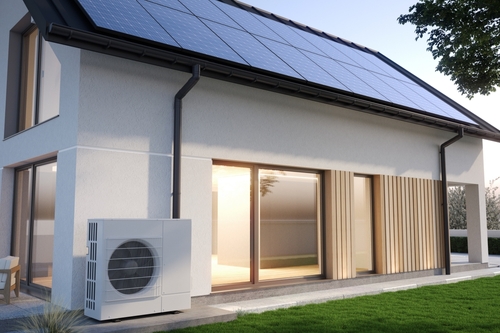
Moreover, Syntegra is following a holistic approach during the ACI site surveys. This means, that during the inspection other areas that will improve the building’s energy performance are examined. Such an area is the implementation of Low Zero Carbon technologies (LZC) aka Renewable Energy technologies. More specifically the possibility of implementing PV solar panels was examined. The utilization of PV (photovoltaic) panels can generate free energy from the sun and also provide an income to the building owner through the Feed-In-Tariff (FIT) scheme.
For more information on Air Conditioning Inspections, FREE LED Lighting Feasibility Studies, PV/FIT design & installation please contact Syntegra Consulting on T: 08450 091625 and Email: mail@syntegra-epc.co.uk