Case Study: Daylight & Sunlight Assessment for 196 Shoreditch High Street

You are here: 

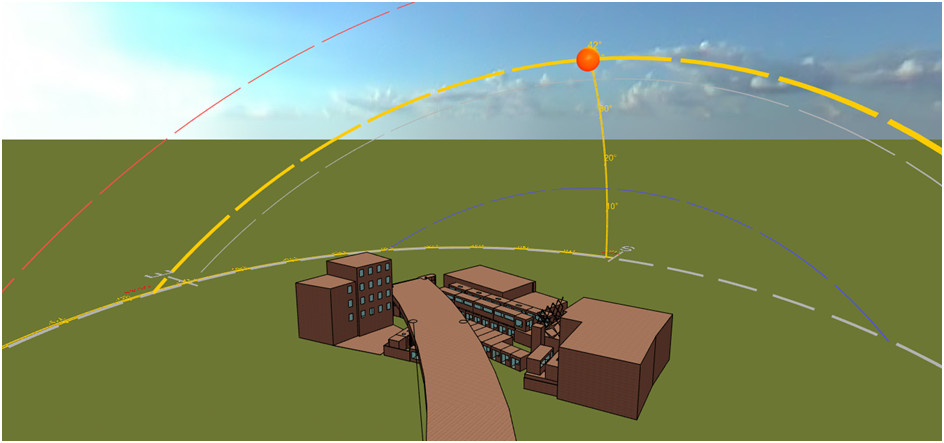
Syntegra Consulting Ltd have been appointed as daylight modelling consultants and have produced a Daylight, Sunlight & Overshadowing Report and an Internal Daylight assessment for the proposed development at 196 Shoreditch High Street E1 6PN. The development consists of 23 offices, 26 retail units, bicycle storage and other amenities.

This assesses the daylight, sunlight and overshadowing effect of the proposed development on the surrounding buildings. The assessment is undertaken in accordance with BRE 209 Digest: Site Layout Planning For Daylight and Sunlight – A Guide to Good Practice.
Latest Posts

Frequently Asked Questions

1 Why are Daylight, Sunlight, and Overshadowing Reports crucial for property development?

These reports are essential for demonstrating that a proposed development will not unduly impact the light conditions of neighboring properties or its own future occupants. They are often a mandatory requirement for planning applications to ensure compliance with local planning policies and guidelines.

2 What types of daylight and sunlight assessments does Syntegra Group offer?

Syntegra Group provides a range of assessments, including Daylight and Sunlight Assessments, Overshadowing Reports, and Internal Daylight Assessments. They also offer related services like Glint and Glare Assessment and Lighting Impact Assessment.

3 How do these assessments help in the planning application process?

By providing detailed analysis and reports, these assessments help identify potential issues early in the design process, allowing for adjustments to optimize daylight and sunlight access. This proactive approach can strengthen a planning application and help secure approval by addressing environmental impact concerns.

4 Can Syntegra Group assist with specific internal daylight requirements for new buildings?

Yes, Syntegra Group conducts Internal Daylight Assessments to evaluate the natural light levels within proposed new buildings. This ensures that internal spaces meet comfort standards and regulatory requirements for future occupants.