Energy Strategy Report & Daylight Modelling: 60 Leytonstone Road Case Study

You are here: 

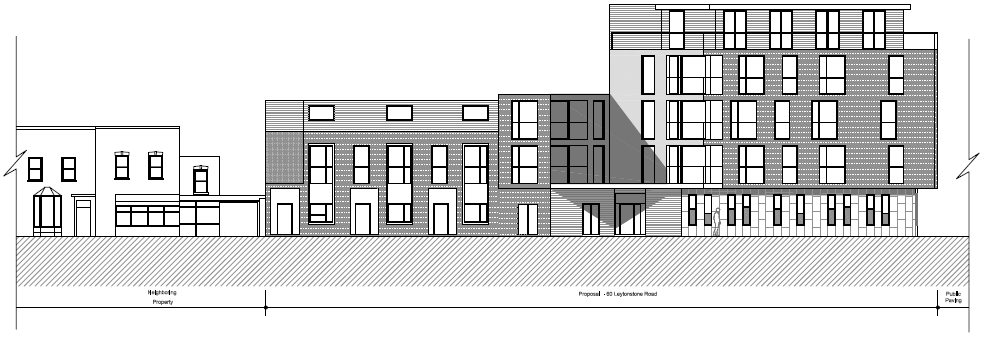
Syntegra consulting have been appointed in the as Consultants in Daylight evaluation and to provide an Energy Strategy Report for the proposed development at 60 Leytonstone road, London, E15 S5Q.

Syntegra have performed a Daylight, Sunlight & Overshadowing assessment in accordance to BRE 209 Digest: Site Layout Planning for Daylight and Sunlight – A Guide to Good Practice.

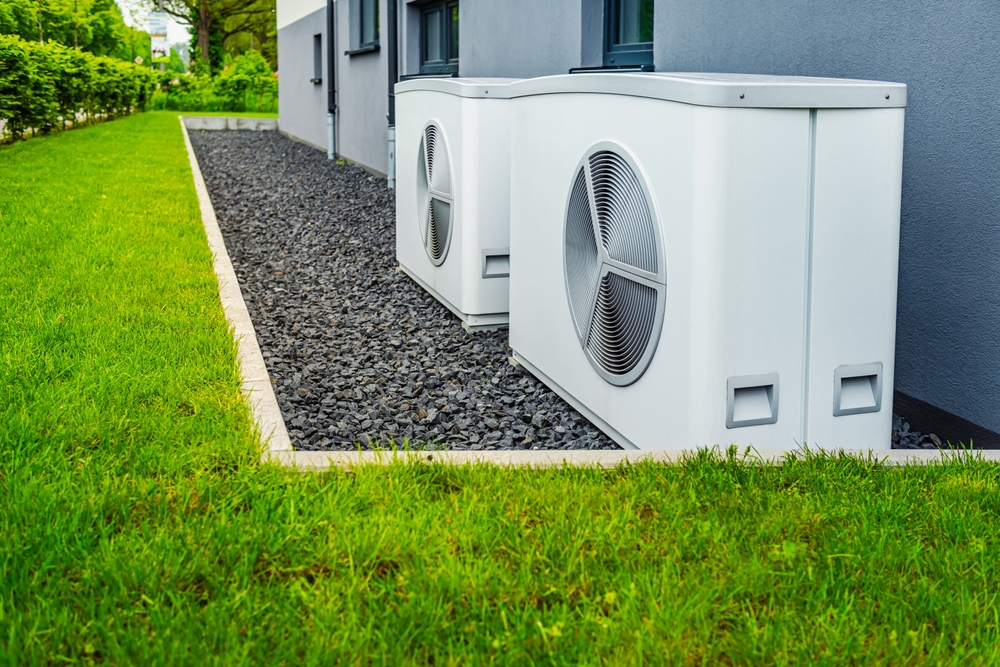
As Energy consultants, an Energy Strategy Report to demonstrate Building Regulatuion Part L compliance was produced. The report details strategies to reduce CO2 emissions by 27% and has outlined a plan for the project to source a portion of its energy needs from on site renewable generation.
Latest Posts

Frequently Asked Questions

1 What does an Energy Strategy Report entail and why is it important for my development?

An Energy Strategy Report assesses a development's energy performance, identifying opportunities for efficiency and renewable energy integration. It's crucial for demonstrating compliance with planning policies, reducing operational costs, and achieving sustainability targets like Net Zero Carbon.

2 How does a Daylight and Sunlight Assessment benefit my architectural design and planning application?

A Daylight and Sunlight Assessment evaluates the natural light levels within proposed and existing buildings, ensuring compliance with relevant standards. It helps optimize building design for occupant comfort and well-being, and addresses potential rights of light concerns for surrounding properties during the planning process.

3 What sustainability certifications can Syntegra Group help us achieve for our projects?

Syntegra Group offers consultancy for various sustainability certifications, including BREEAM, LEED, and Well Building Assessments. They also provide services for CIBSE TM65, Code for Sustainable Homes (CSH), SKA, Passivhaus, and Whole Life Cycle Carbon Assessments to enhance project sustainability.

4 How can building performance modelling help prevent overheating in new developments?

Building performance modelling, including CFD and thermal modelling, simulates a building's thermal behavior under various conditions. This allows for early identification of potential overheating risks and informs design adjustments to ensure comfortable internal temperatures and compliance with regulations like the Overheating Assessment.