MPs have warned the UK must stop selling diesel and petrol cars by 2030 as electric vehicles will match them in terms of range and price by then.
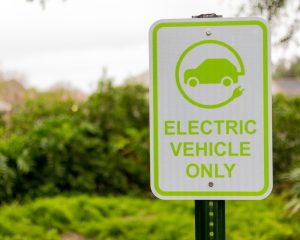
Members of the climate change committee recommend bringing forward the target date previously set for such a ban of 2040. That is the date by which all cars and vans sold in the UK should be zero emissions – electric or hydrogen.
A new report is also set to call for the speeding up of charging ports that will be required to meet demand.
However, MPs warn that restrictions in obtaining the required natural resources for EV batteries, mainly the element cobalt, means the 2030 target may be missed so are expected to recommend 2035 as the latest possible date for the switch in vehicles.
Mary Creagh, chair of the environment audit committee, said: ‘Ministers are useless.
‘They seem to think the market will miraculous provide charging point and the government has no job to regulate charging points.’
Current targets in England mean internal combustion engines will still be on the road in 2050, producing large amounts of greenhouse gases.
By this point, according to government targets, the UK should be entirely carbon neutral.
Scotland has a different set of guidelines, indicating the switch-over and ban of petrol or diesel vehicles should happen by 2032.
Insurance group LV said: ‘The UK is in a fortunate position in that motor manufacturers have already matched demand with a production line stacked with electric car and plug-in hybrid models, as the clamour from consumers’ changes to cleaner motoring.’
The committee on climate change believes electric cars will be a similar price to traditional vehicles in about five years from now.
Drivers can expect savings in fuel and running costs when they switch to EVs.
Umer Uzair, Syntegra’s Director, Energy & Sustainability, said: ‘The world is moving towards this type of system, as this is part of our zero carbon future and EV charging points are an important part of future infrastructure, especially in light of politicians declaring a climate emergency and showing new urgency to tackle the climate change crisis.’
* In 2015, world leaders agreed to 17 goals for a better world by 2030. https://www.globalgoals.org/ These goals have the power to end poverty, fight inequality and stop climate change. Guided by the goals, it is now up to all of us, governments, businesses, civil society and the general public to work together to build a better future for everyone. Syntegra’s work is underpinned by many of the goals.
Goal 13 states: Take urgent action to combat climate change and its impacts. Climate change is a real and undeniable threat to our entire civilisation. The effects are already visible and will be catastrophic unless we act now. Through education, innovation and adherence to our climate commitments, we can make the necessary changes to protect the planet. These changes also provide huge opportunities to modernize our infrastructure which will create new jobs and promote greater prosperity across the globe.
13.2: INTEGRATE CLIMATE CHANGE MEASURES INTO POLICIES AND PLANNING
Integrate climate change measures into national policies, strategies and planning.