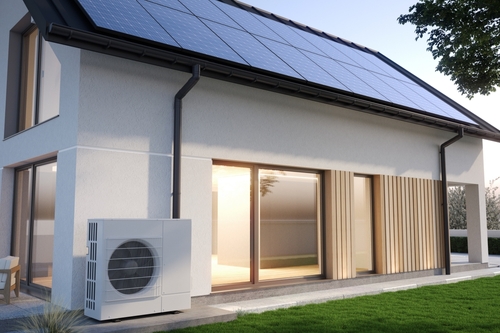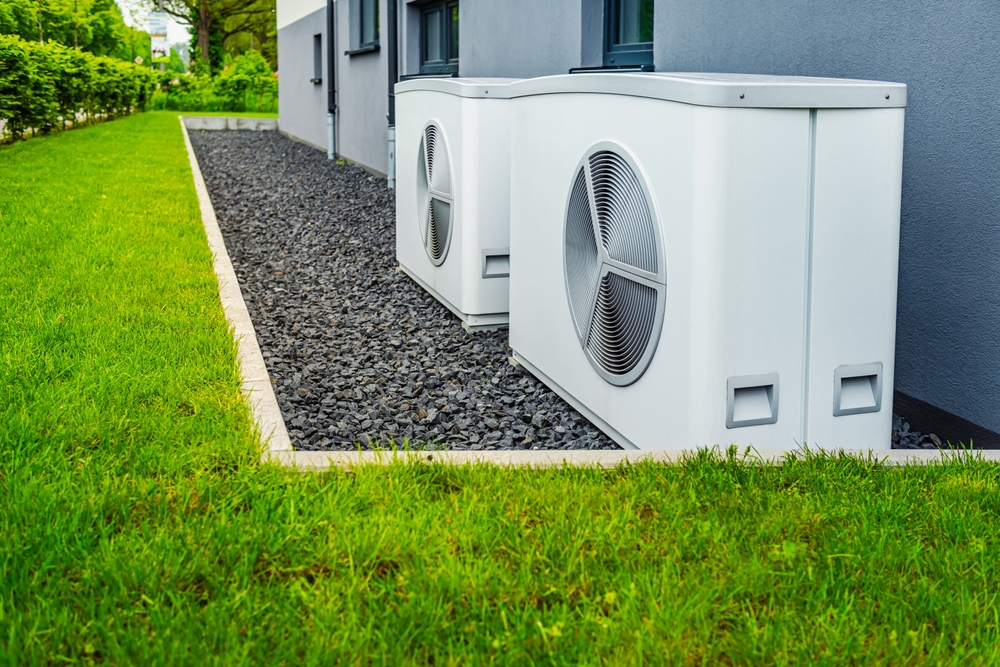
The UK Government has been urged to invest in infrastructure for ground source heat pumps to boost low carbon heating systems.
Bean Beanland, president of the recently Ground Source Heat Pump Association, told Utility Week that his organisation will be calling for capital grants to be made available for the installation of heat pumps.
The replacement for the Renewable Heat Incentive, the existing framework that comes to an end next year, should set a target of 1 million heat pump installations a year by 2035, he advised.
Beanland said installation costs could be slashed by between a third and a half if funding was available for boreholes and pipes to connect the ground heat to the pumps above.
Investment in heat pump infrastructure over the next decade could provide households and businesses with the same kind of long term benefits that expenditure on the energy and water grid delivered 50 years ago, he said, adding: “That is public spending for public good because those boreholes will have a lifespan of 100 years: that is genuine infrastructure.”
He suggested that cutting the upfront costs of installing heat pumps, which continue to be more expensive than conventional natural gas boilers, could spark growth in the market for the technology. “We want long term signals so that we can start weaning people off fossil fuels and persuade plumbers that they can deliver heat pumps alongside their existing business,” he said.
“It is critical that installers start to invest the time to repurpose and retrain from fossil fuel technologies to heat pumps.”
Given how much gas is effectively subsidised through levies compared with electricity supplies, Beanland said it was apparent that some form of national policy support is required to allow heat pumps to compete for investment.
* In 2015, world leaders agreed to 17 goals for a better world by 2030. https://www.globalgoals.org/ These goals have the power to end poverty, fight inequality and stop climate change. Guided by the goals, it is now up to all of us, governments, businesses, civil society and the general public to work together to build a better future for everyone. Syntegra’s work is underpinned by many of the goals.
Take urgent action to combat climate change and its impacts.

13.2: INTEGRATE CLIMATE CHANGE MEASURES INTO POLICIES AND PLANNING

Integrate climate change measures into national policies, strategies and planning.