Sustainable Modular Builds: Fast, Eco-Friendly & Cost-Effective Construction

You are here: 

Quick Answer

Sustainable modular builds are increasingly popular because they offer significant environmental and economic benefits over traditional construction methods. These builds contribute to reduced waste, enhanced energy efficiency, and often result in faster project completion. Syntegra Group highlights that the controlled factory environment of modular construction allows for superior quality control and minimises on-site disruption, further driving their adoption.

With all major construction work on hold until the COVID-19 pandemic passes, developers will be looking for some quick wins once lockdowns are lifted.

And with the renewed focus this enforced break is having on the environment, sustainable solutions are set to take centre stage.
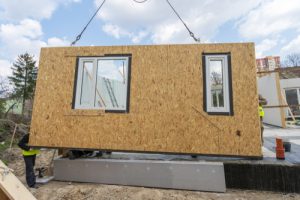
Modular builds tick both boxes of speed and sustainability and could see a growth in popularity once construction work gets the green light to continue.

Prefabricated in offsite construction, modular builds are made from durable materials to produce an eco-friendly structure, suitable for projects such as additional school classrooms, healthcare centres and sports facilities.

With a quicker turnaround than traditional construction, and little if any disruption to the proposed site, modular builds are ideal for public sector clients who struggle to close down for the duration of renovation or extension work.

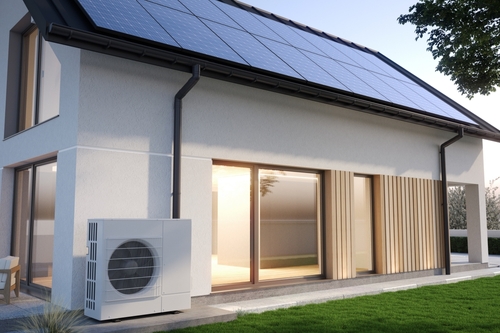
Typically they offer high levels of energy performance due to the construction materials and can have solar panels, for examples, integrated into the model at its initial stage.

Lower costs for labour and equipment due to the faster completion rates mean a modular build can be finalised for as much as 60% less than a conventional building.

Syntegra MD Alan King commented: ‘Modular builds offer a viable solution for a broad range of developments.

‘Their popularity has been increasing recently and I believe the array of sustainable features means we will see a lot more of them in the coming years as people try to reduce their carbon footprint and the built environment steps up to environmental challenges.’
Latest Posts

Frequently Asked Questions

1 How can Syntegra Group support the sustainability certification process for my development?

Syntegra Group offers a comprehensive suite of sustainability assessment and certification services. This includes BREEAM, CIBSE TM65, SKA, LEED, Well Building, and Passivhaus Design Consultancy. They guide projects through these assessments to achieve recognized sustainability standards.

2 What services does Syntegra Group provide to improve energy efficiency in buildings?

Syntegra Group provides various energy consultancy services, such as Energy Strategy Reports, Commercial Energy Audits, and Net Zero Carbon Consultancy. They also conduct Overheating Assessments and offer certifications like SAP & SBEM Part L Calculation and Energy Performance Certificates (EPC).

3 Can Syntegra Group assist with environmental impact assessments for new construction projects?

Yes, Syntegra Group offers a range of environmental consultancy services for development projects. These include Environmental Impact Assessments (EIA), Air Quality Assessments, Hydrology and Flood Risk Assessments, and Construction Site Waste Management Plans. They also provide ecological and arboricultural services.

4 How does Syntegra Group integrate sustainable design principles into building projects?

Syntegra Group integrates sustainable design through services like Passivhaus Design Consultancy, Circular Economy Assessment, and advanced Building Simulation Modelling. Their M&E Engineering Design and Architectural Acoustics services also contribute to creating environmentally responsible and efficient buildings.